Speaking
Talks, oral presentations, lectures and interviews, with slides, photos and video.
PRECISE: Reducing the Bias of LLM Evaluations using Prediction-Powered Ranking Estimation
Oral presentation 24 January 2026
AAAI Conference on Artificial Intelligence (AAAI 2026), Innovative Applications of AI track · Singapore
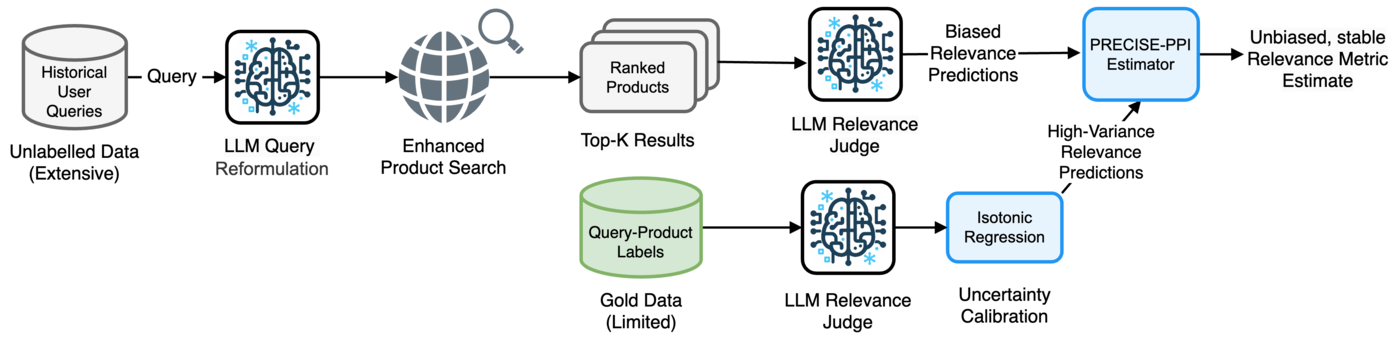
Oral presentation in the Innovative Applications of AI track (19.2% acceptance rate). PRECISE combines a small set of human relevance labels with LLM judgments, using prediction-powered inference to estimate ranking metrics such as Precision@K while correcting for LLM-judge bias.
The Promise and Pitfalls of Synthetic Data Generation
Invited talk and hands-on session 21 August 2025
DataHack Summit 2025, Analytics Vidhya
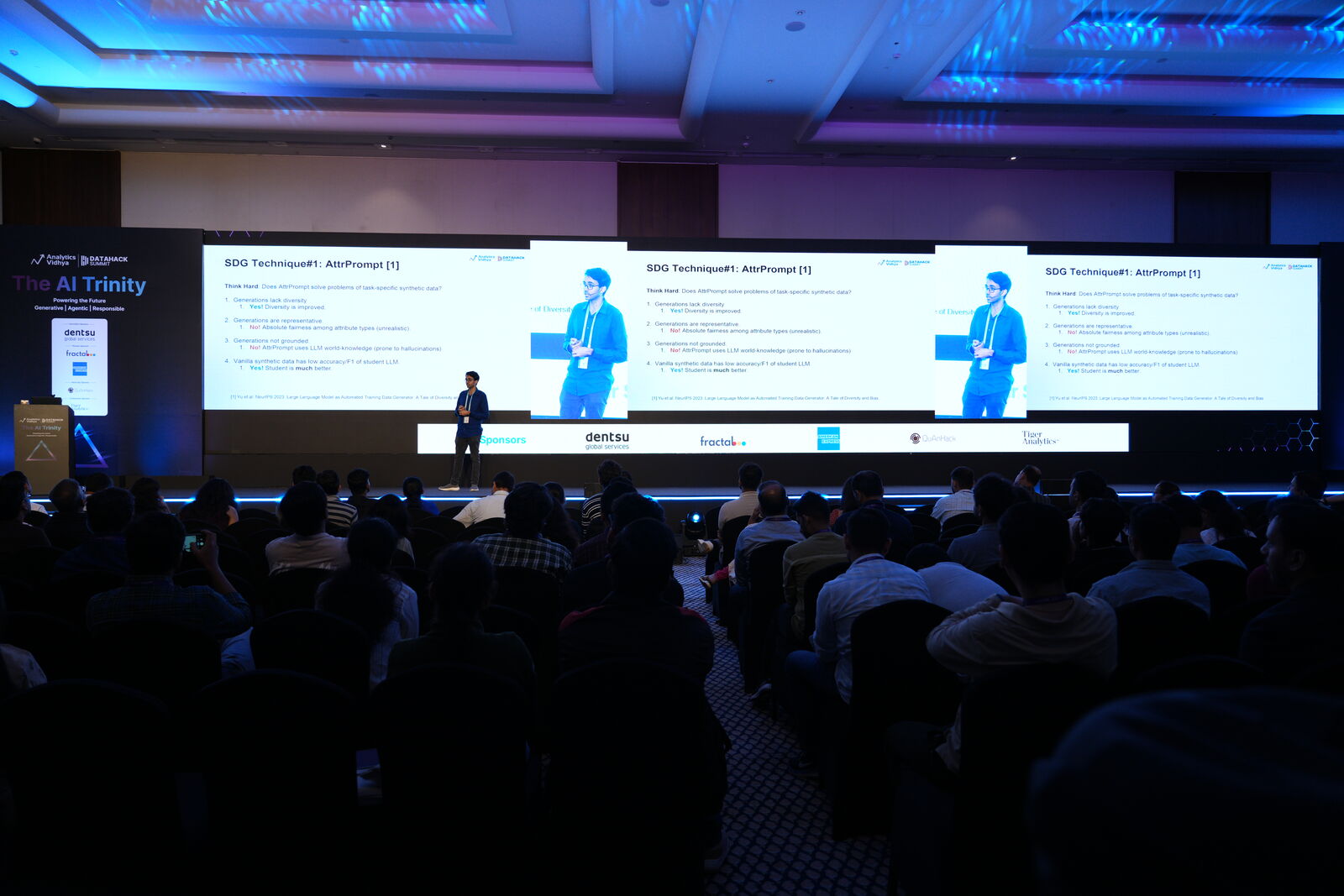
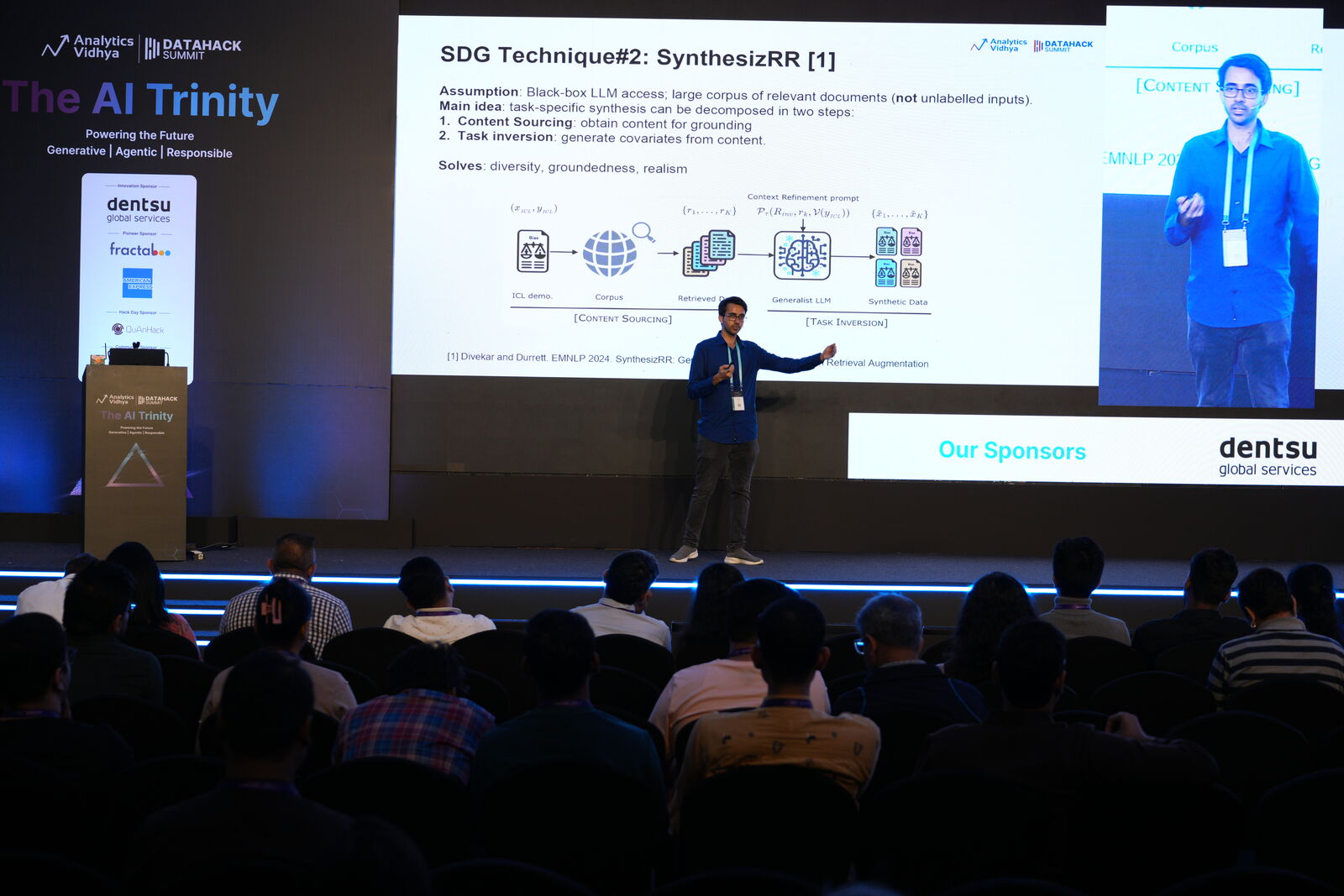
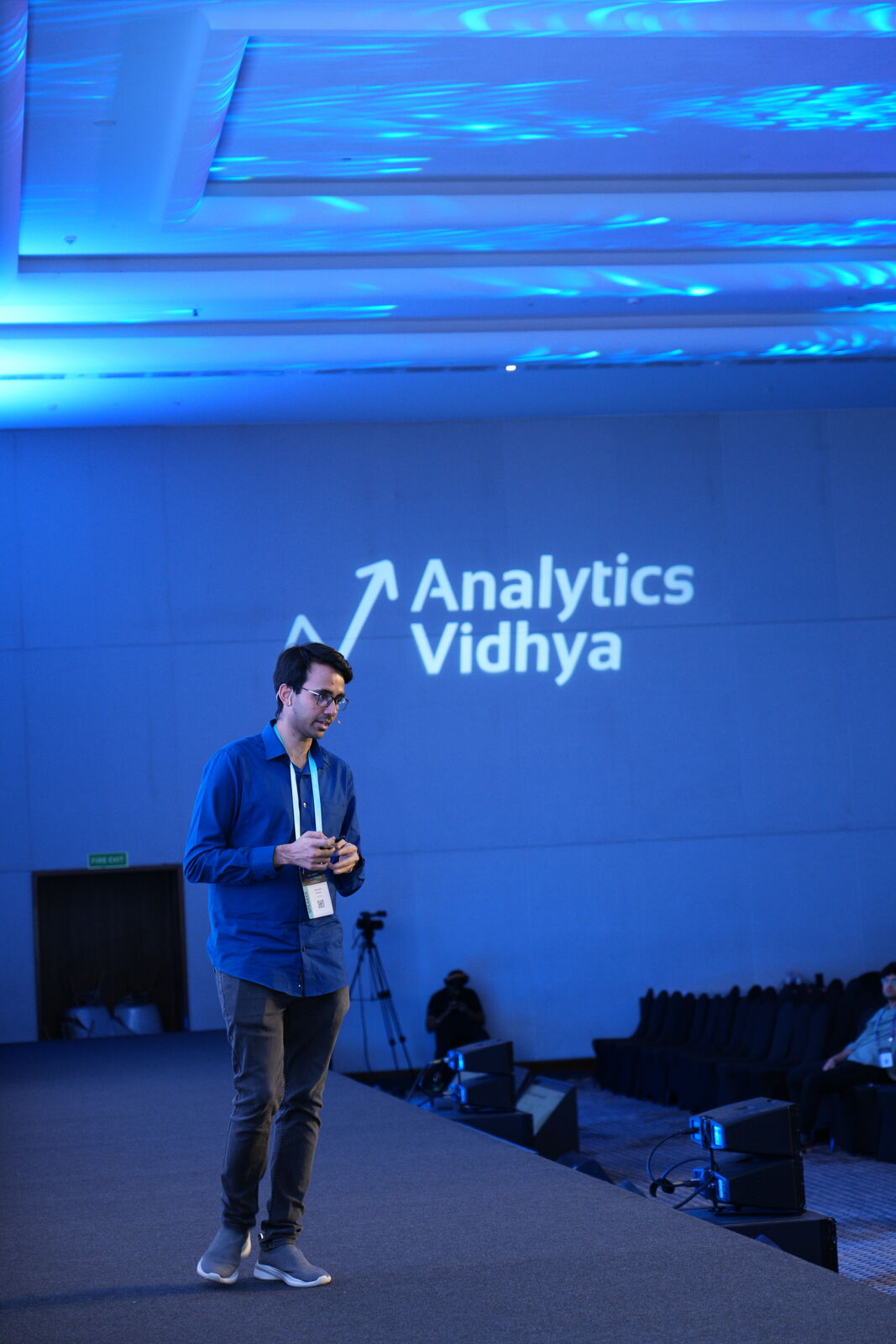
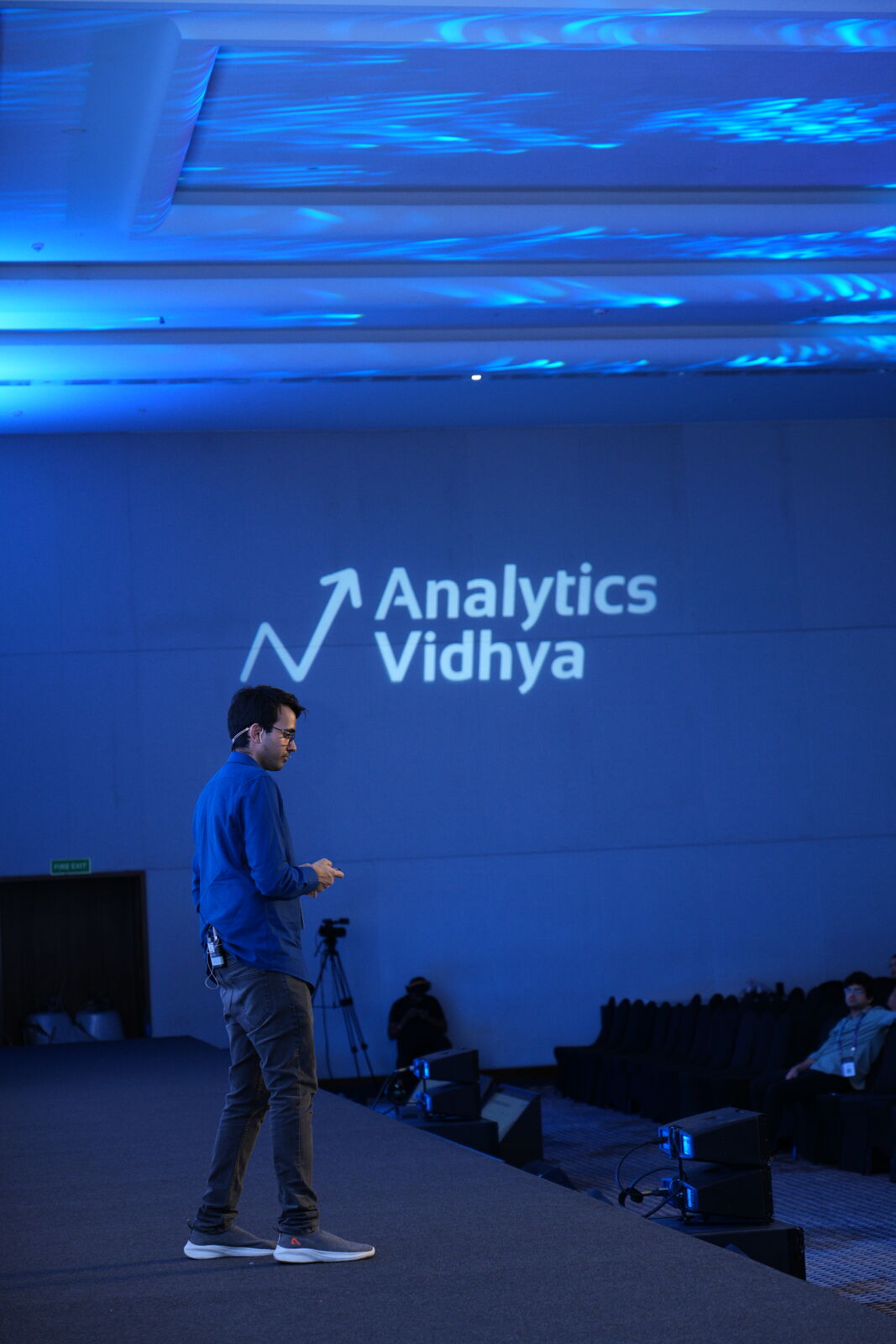
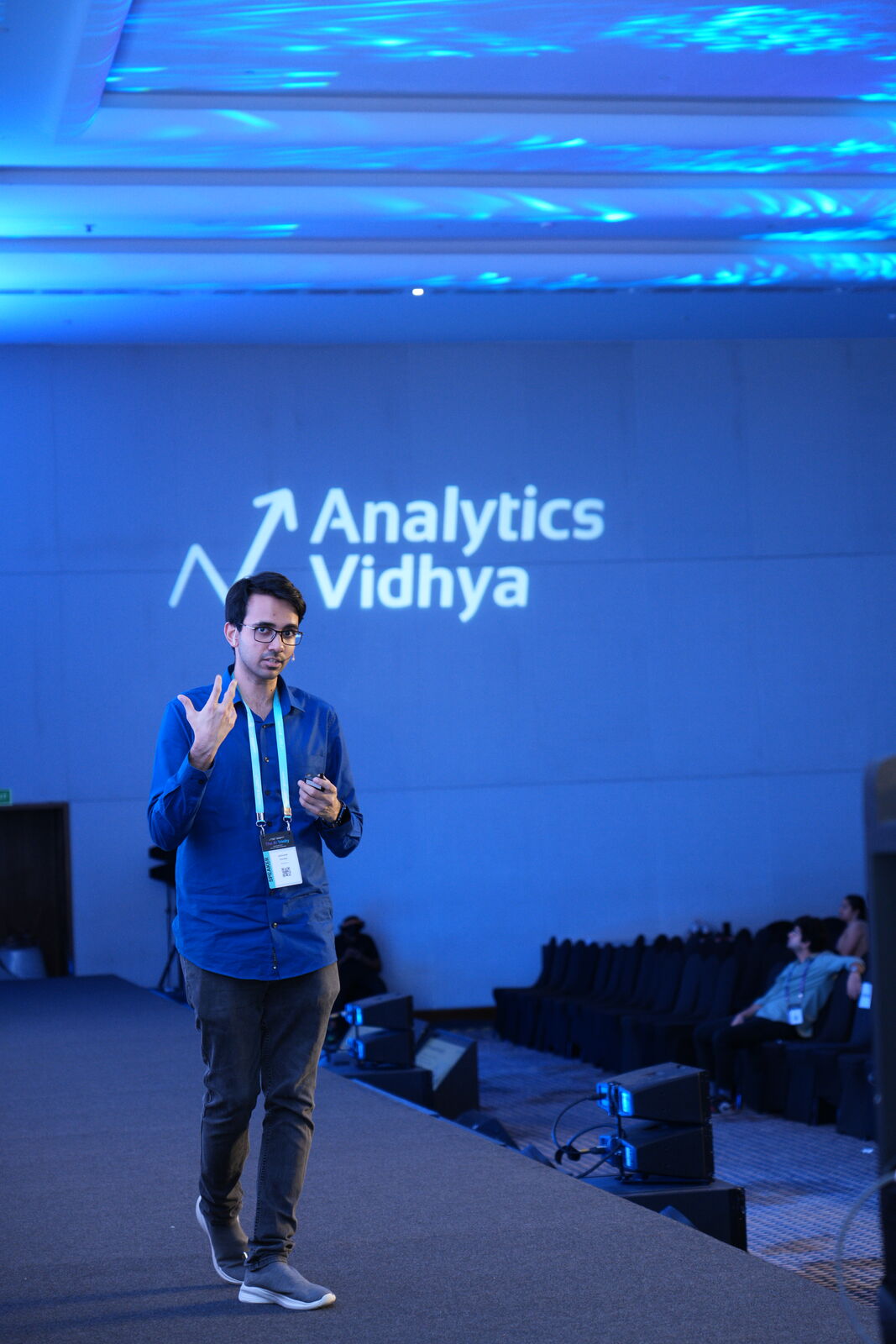
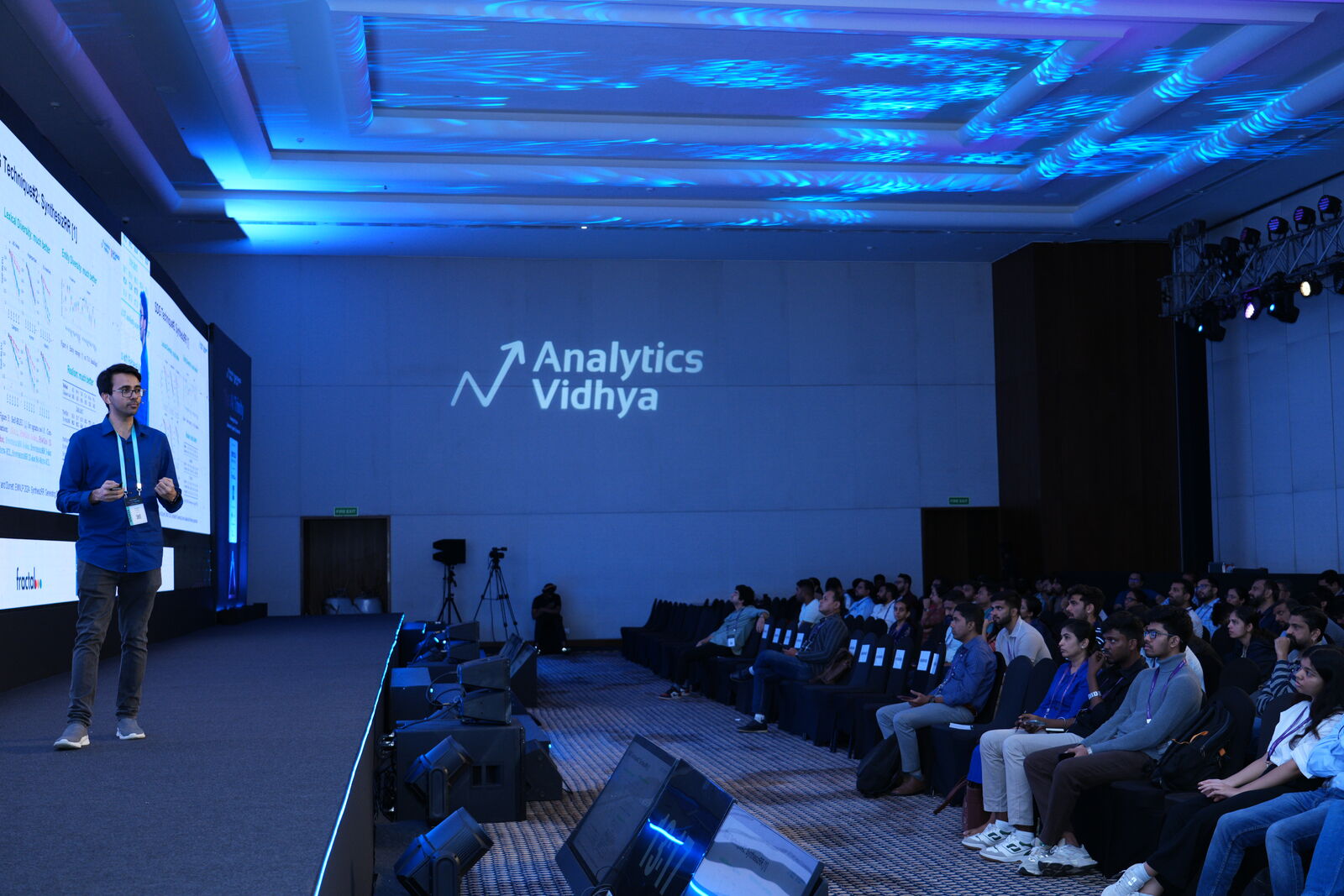
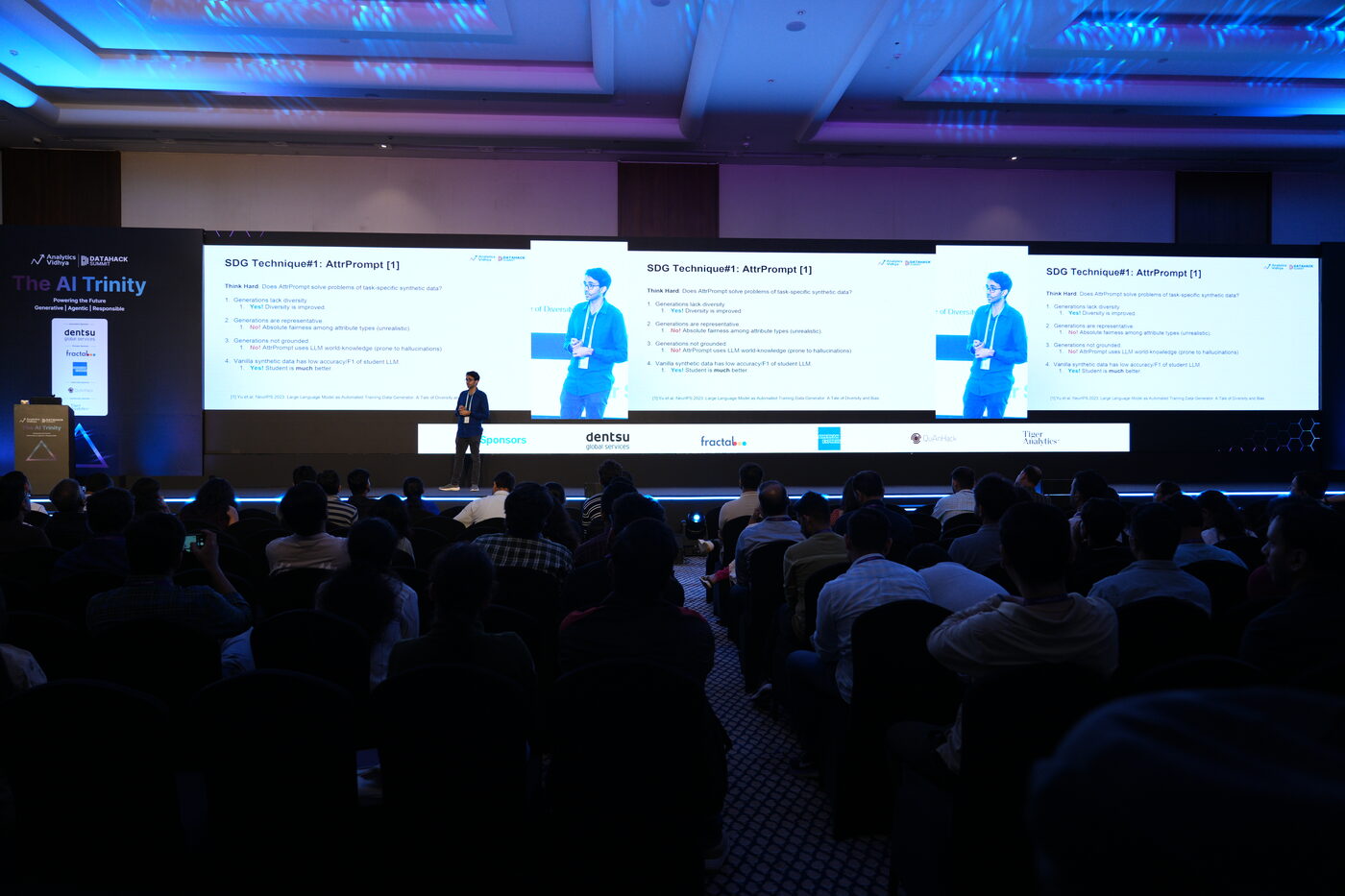
Despite rapid advances in generative AI, representative high-quality data remains a major bottleneck. This talk reviewed how LLM developers now use synthetic data, where synthetic data helps and where it fails, and how to diagnose the quality and diversity of generated datasets, drawing on SynthesizRR and CorrSynth (EMNLP 2024). A companion hands-on session covered synthetic-data diagnostics in code.
Flexible AutoML: Accelerating AutoML adoption across Amazon
Talk 07 October 2022
2nd International Conference on AI-ML Systems (AIMLSys 2022) · Virtual
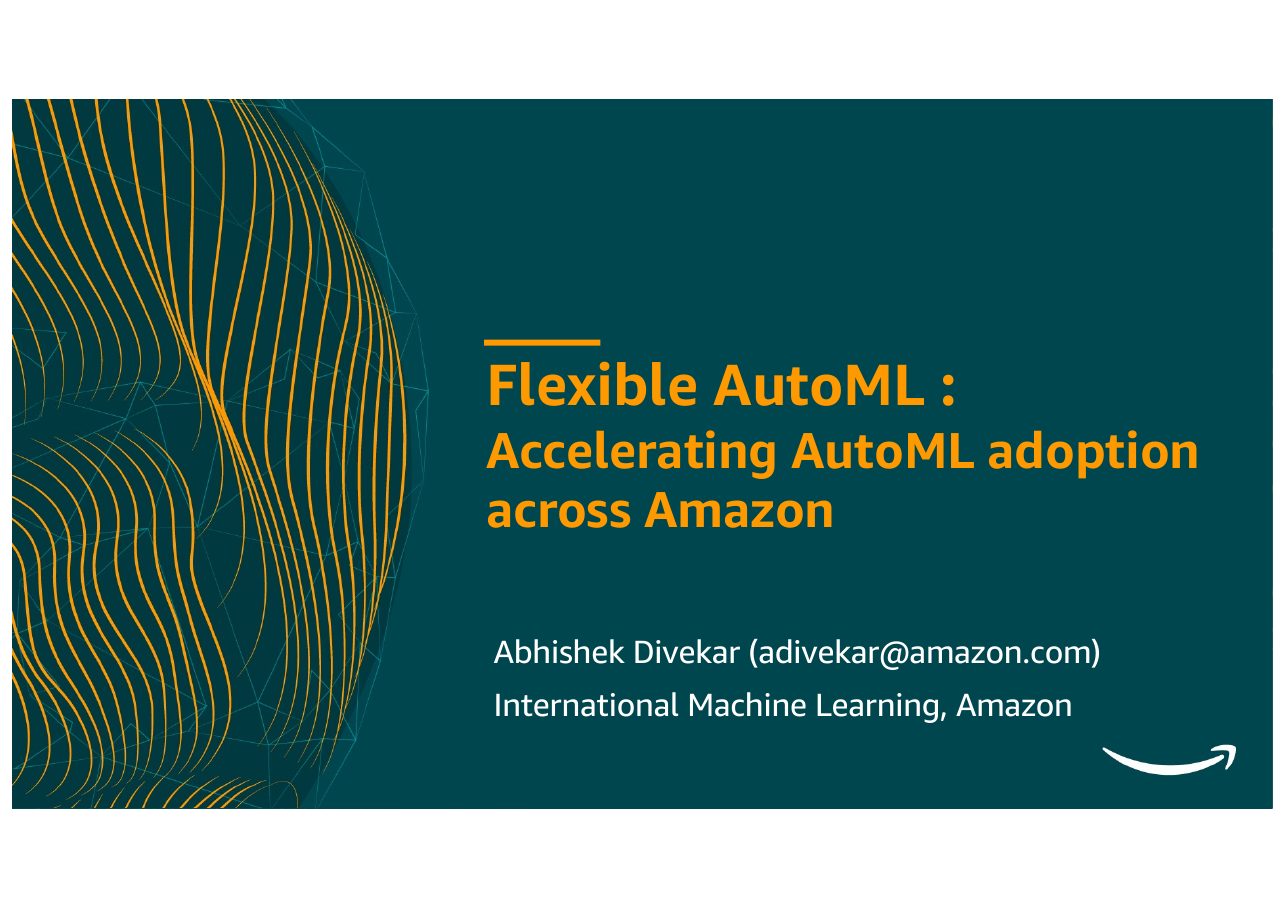
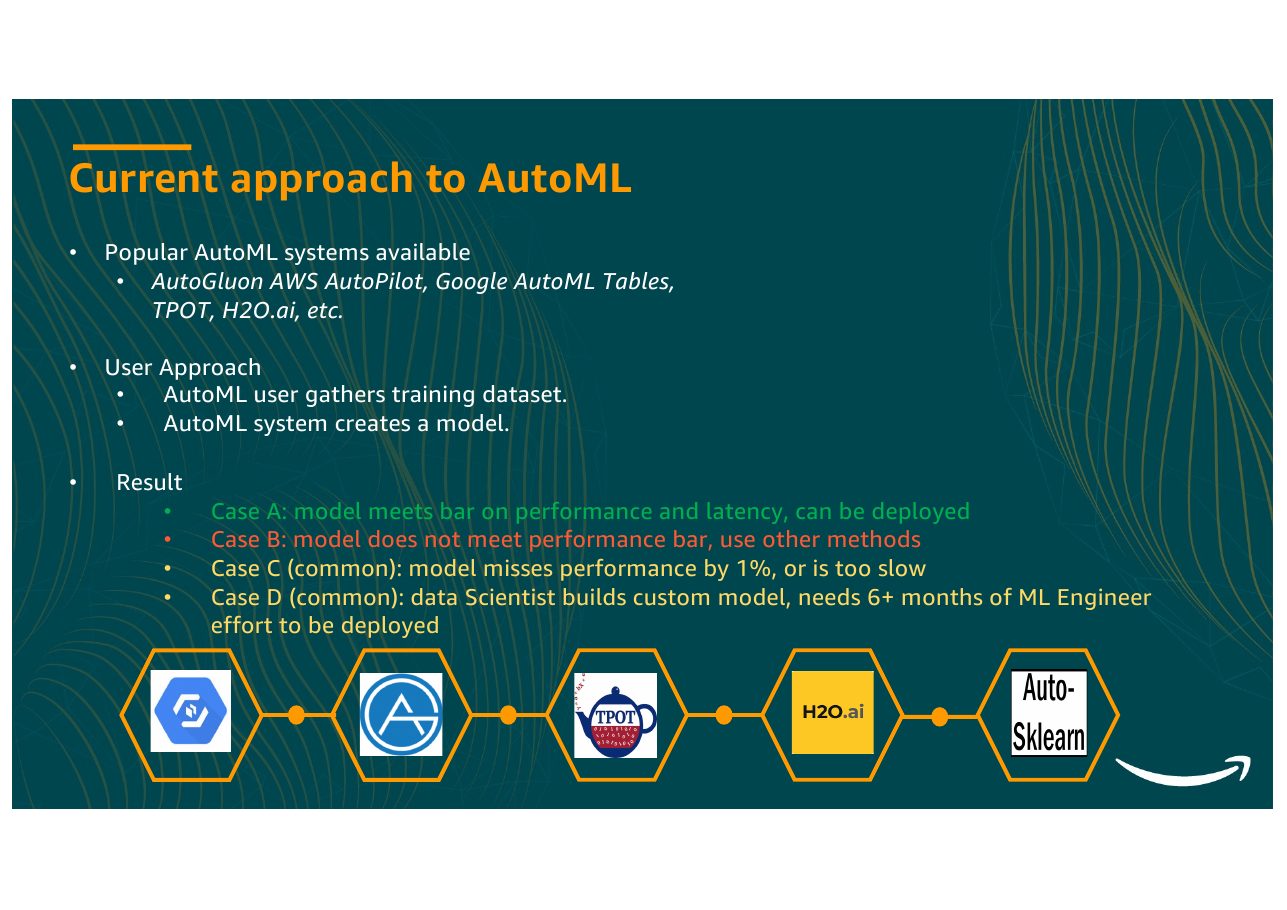
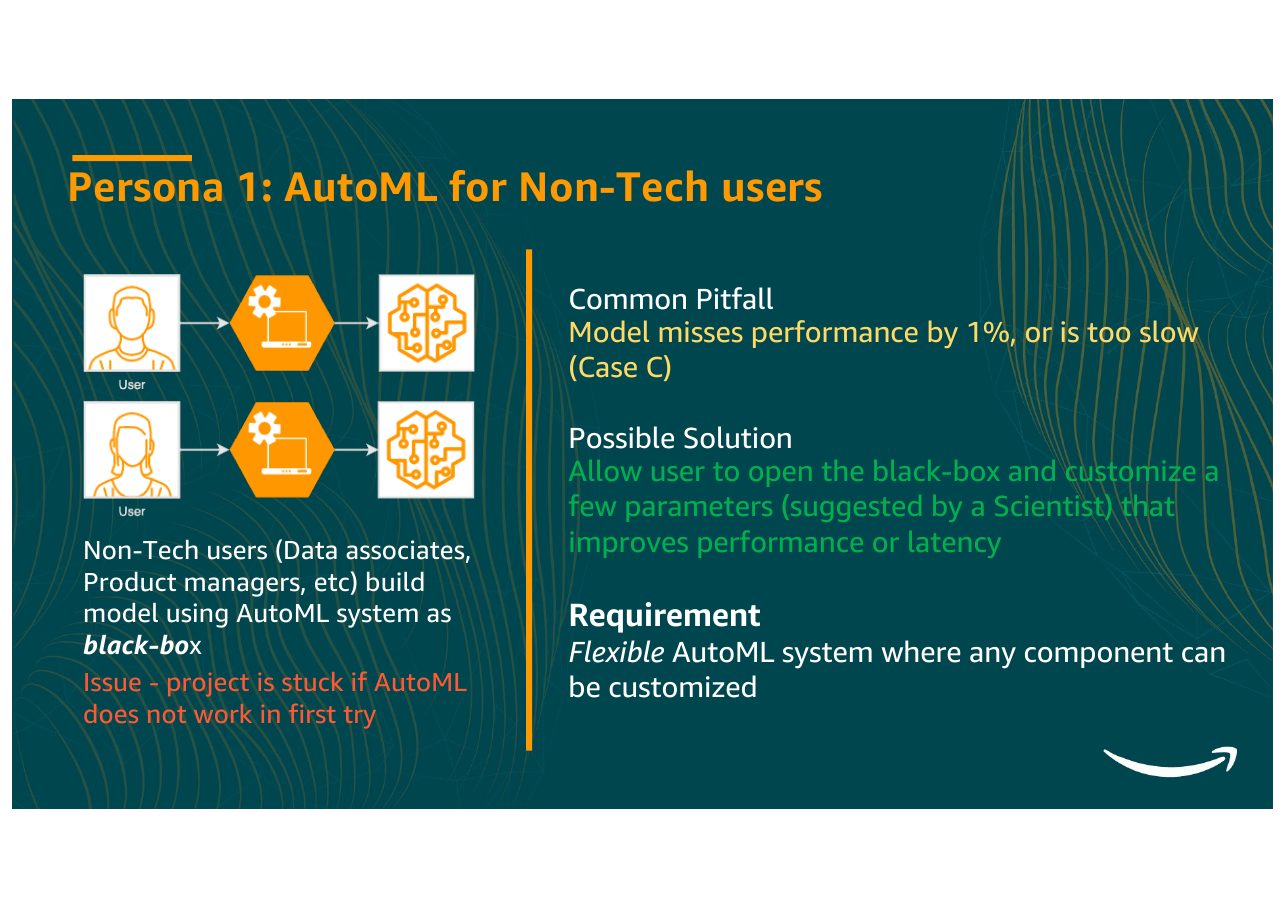
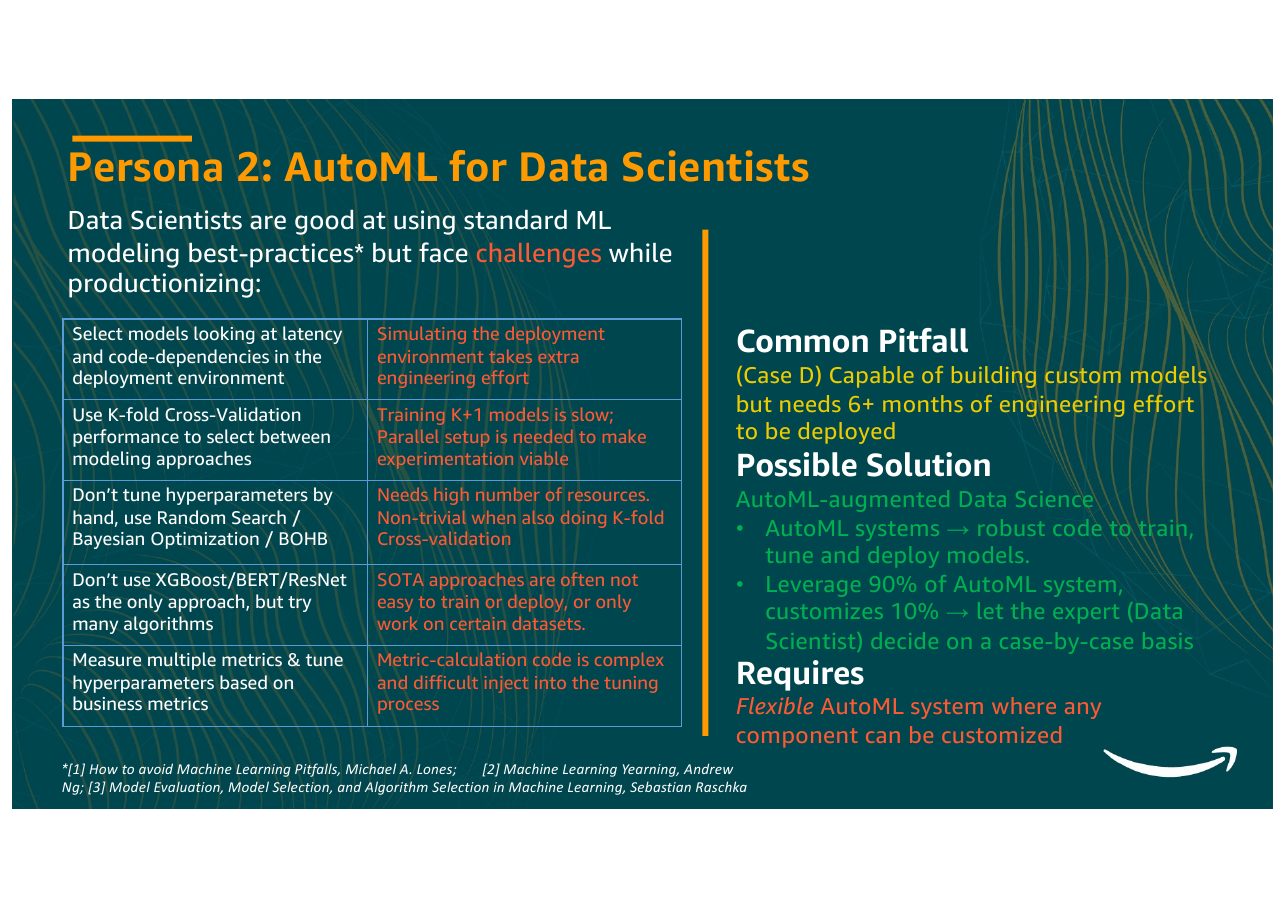

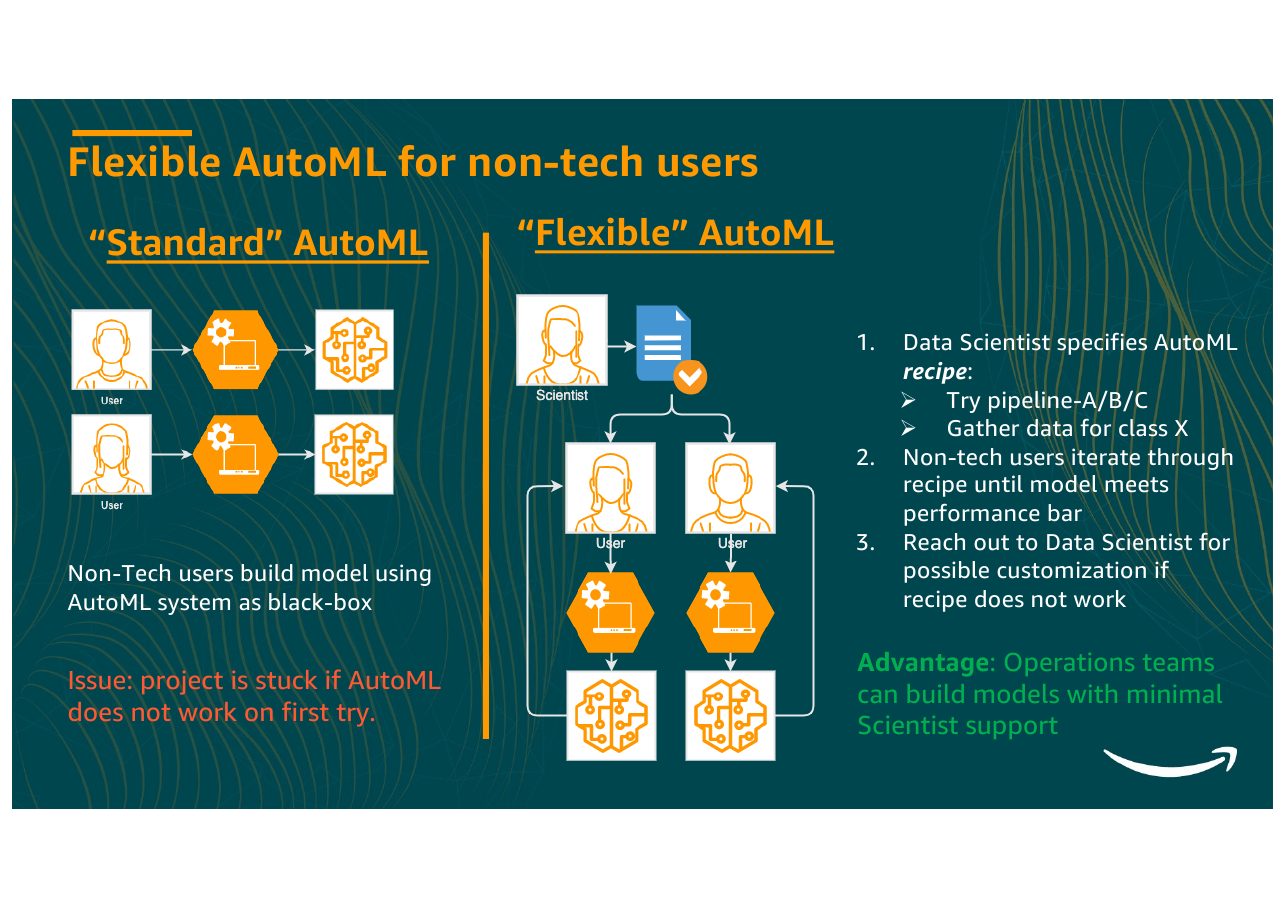
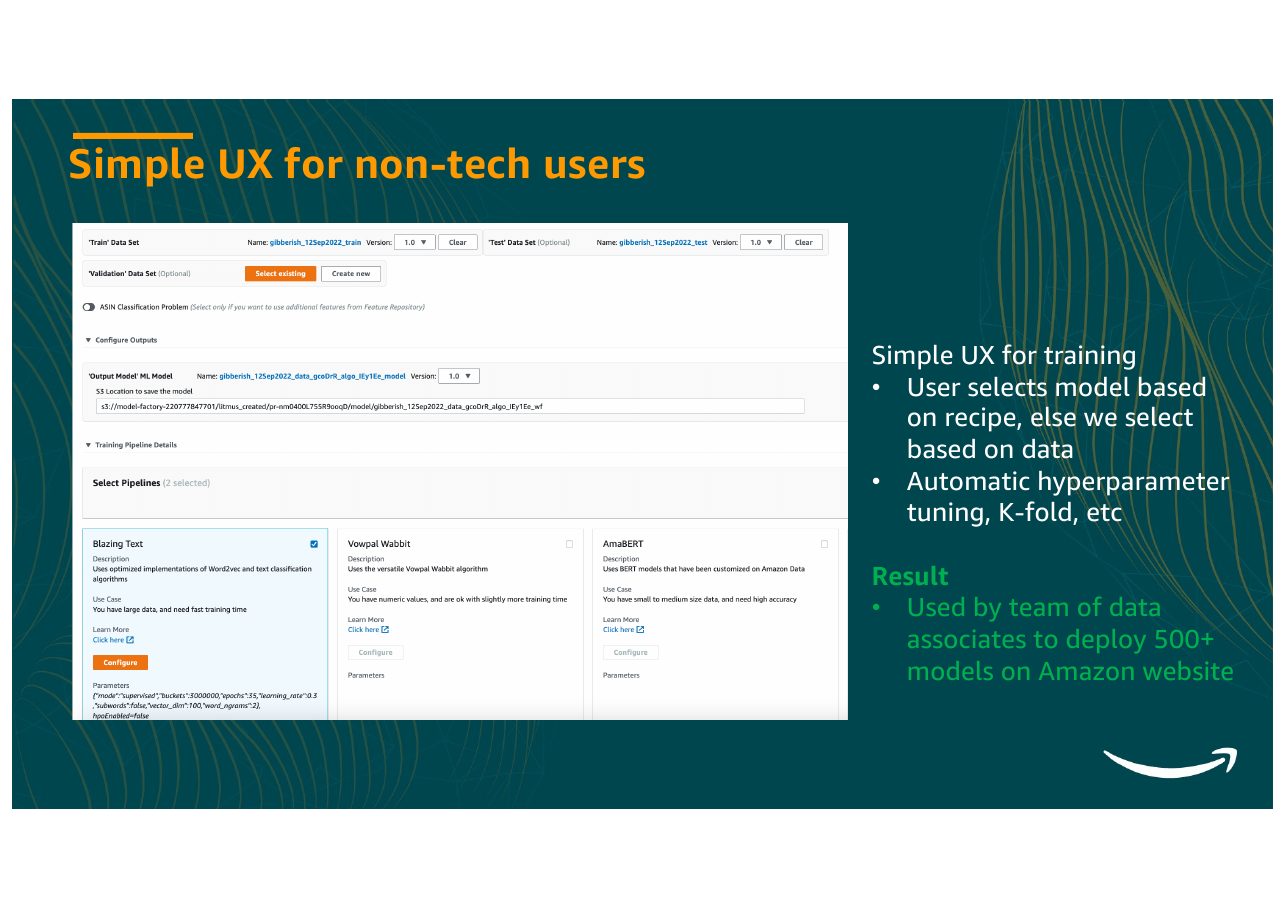
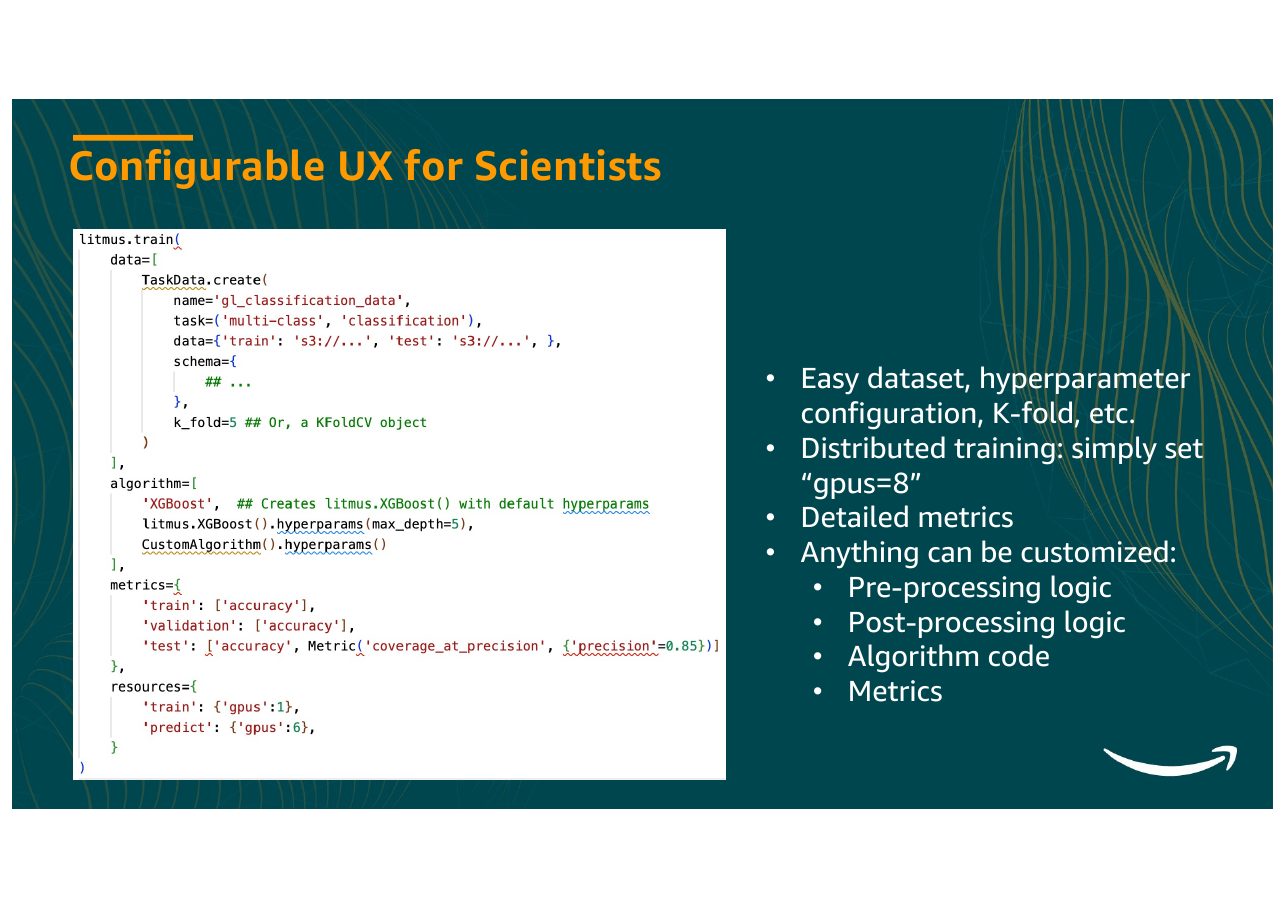
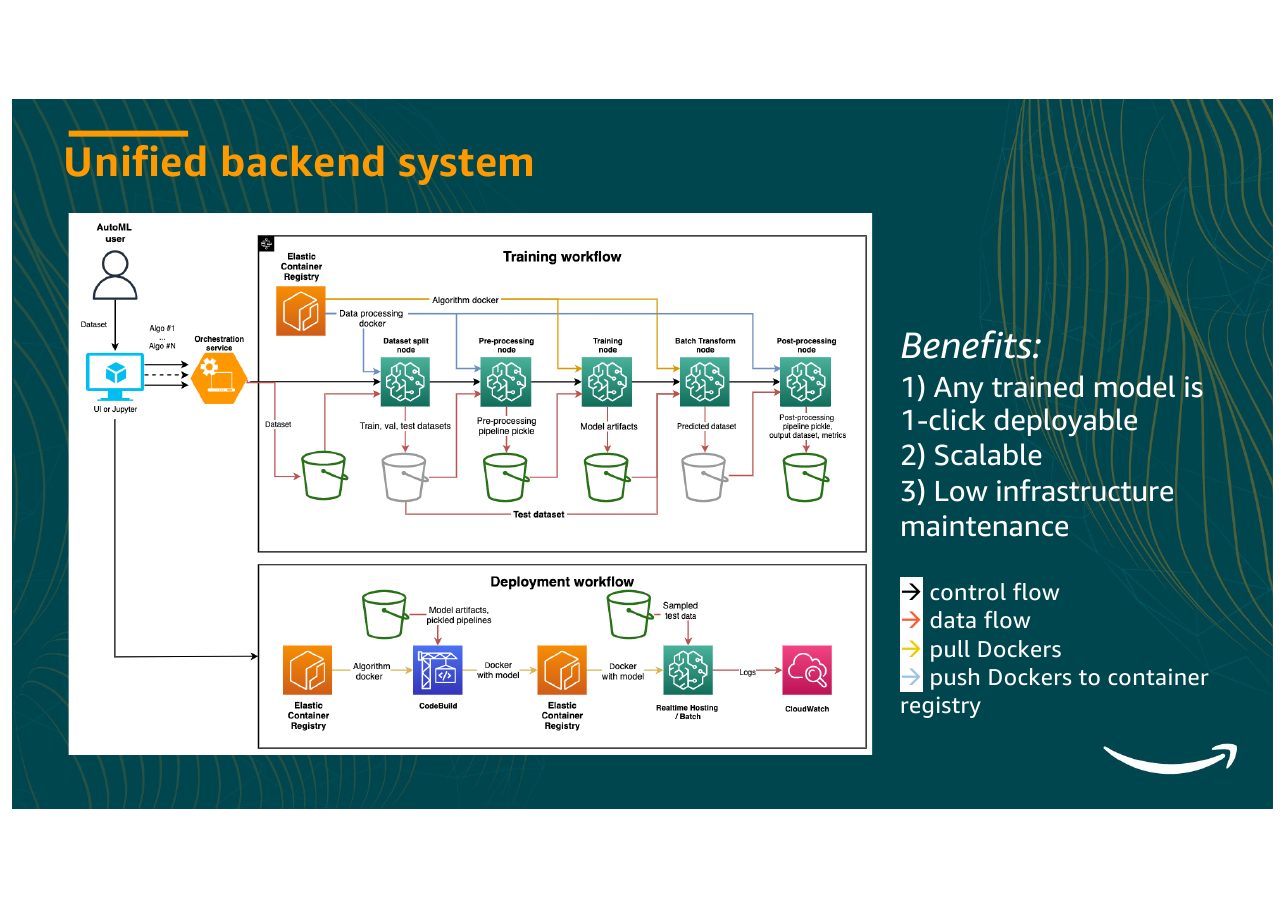
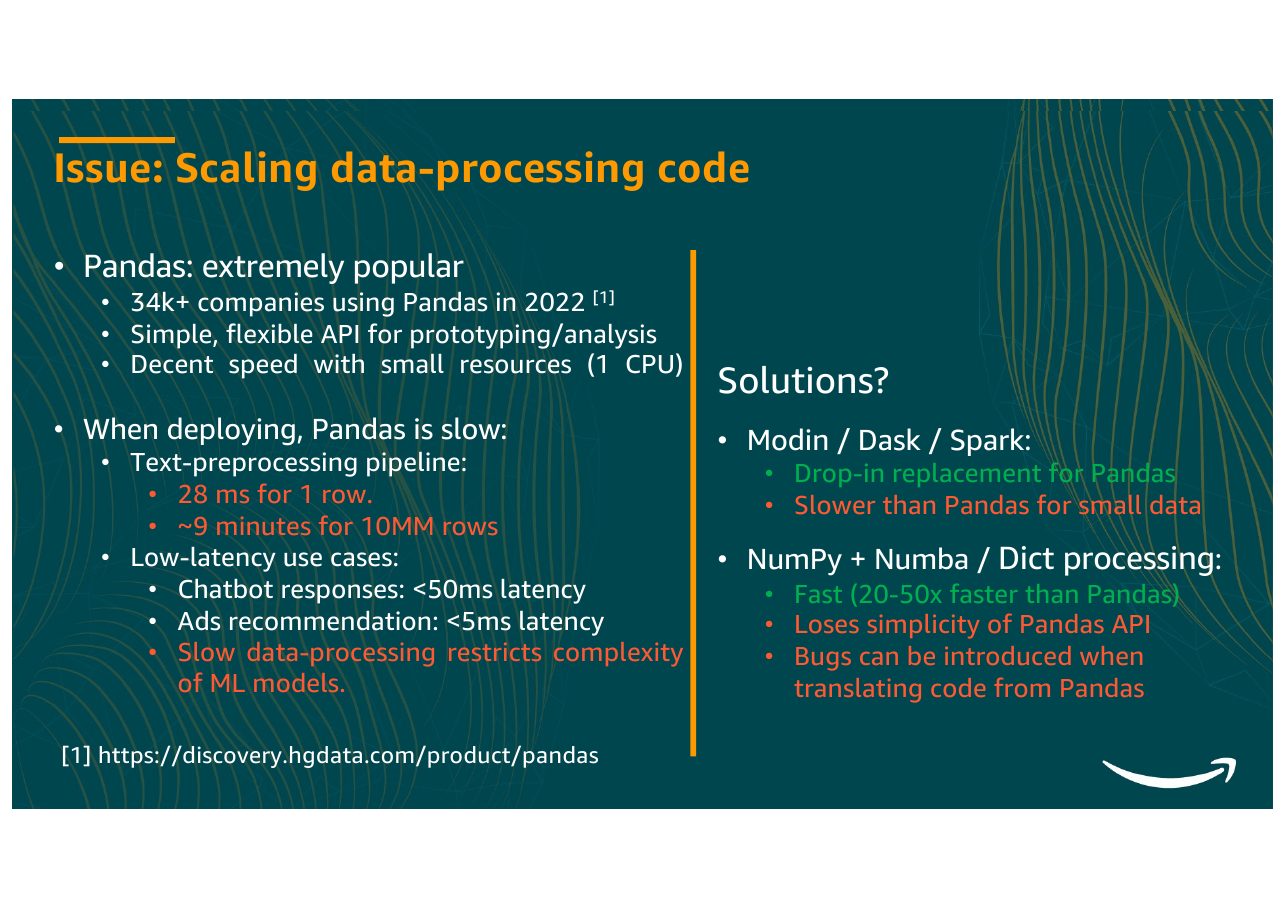
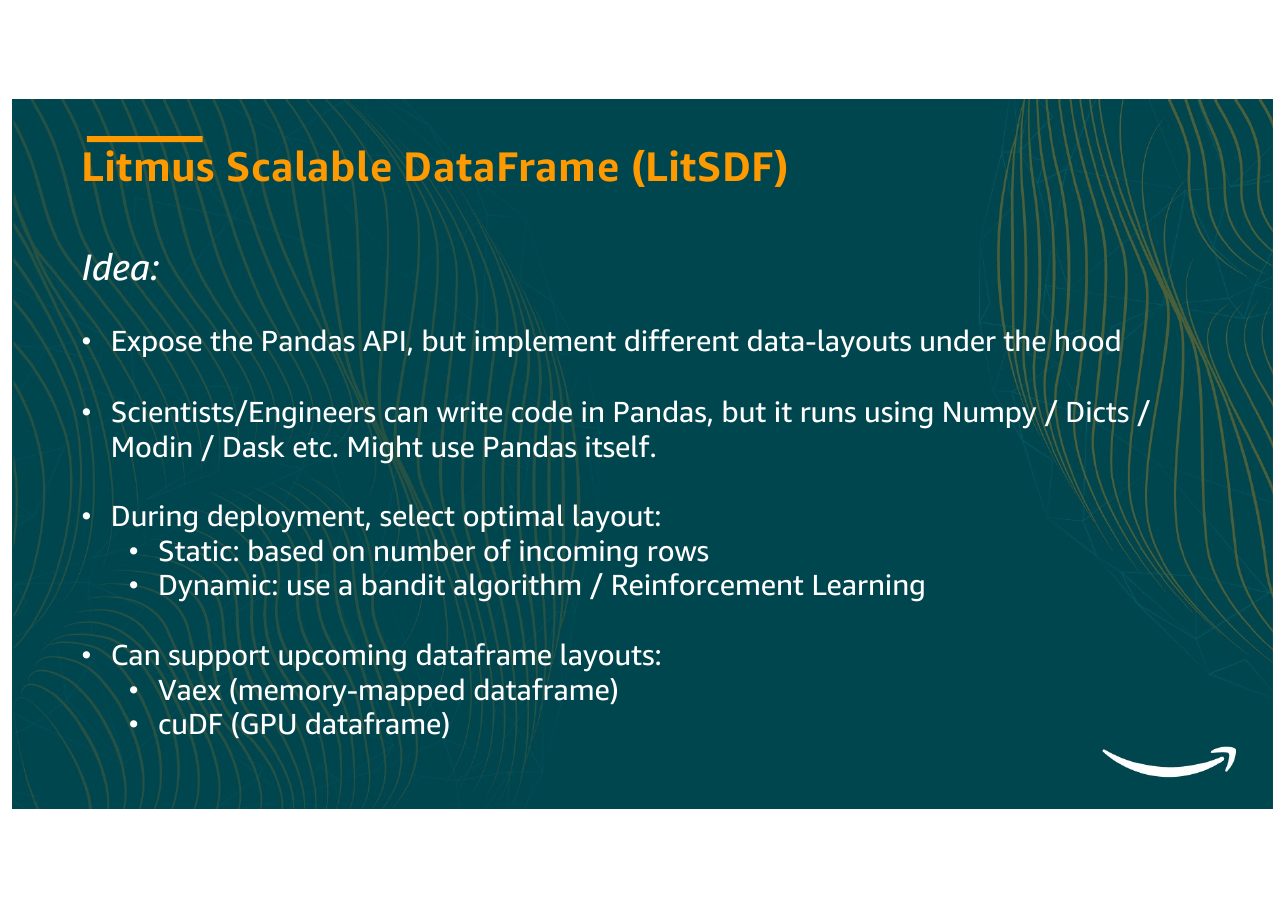
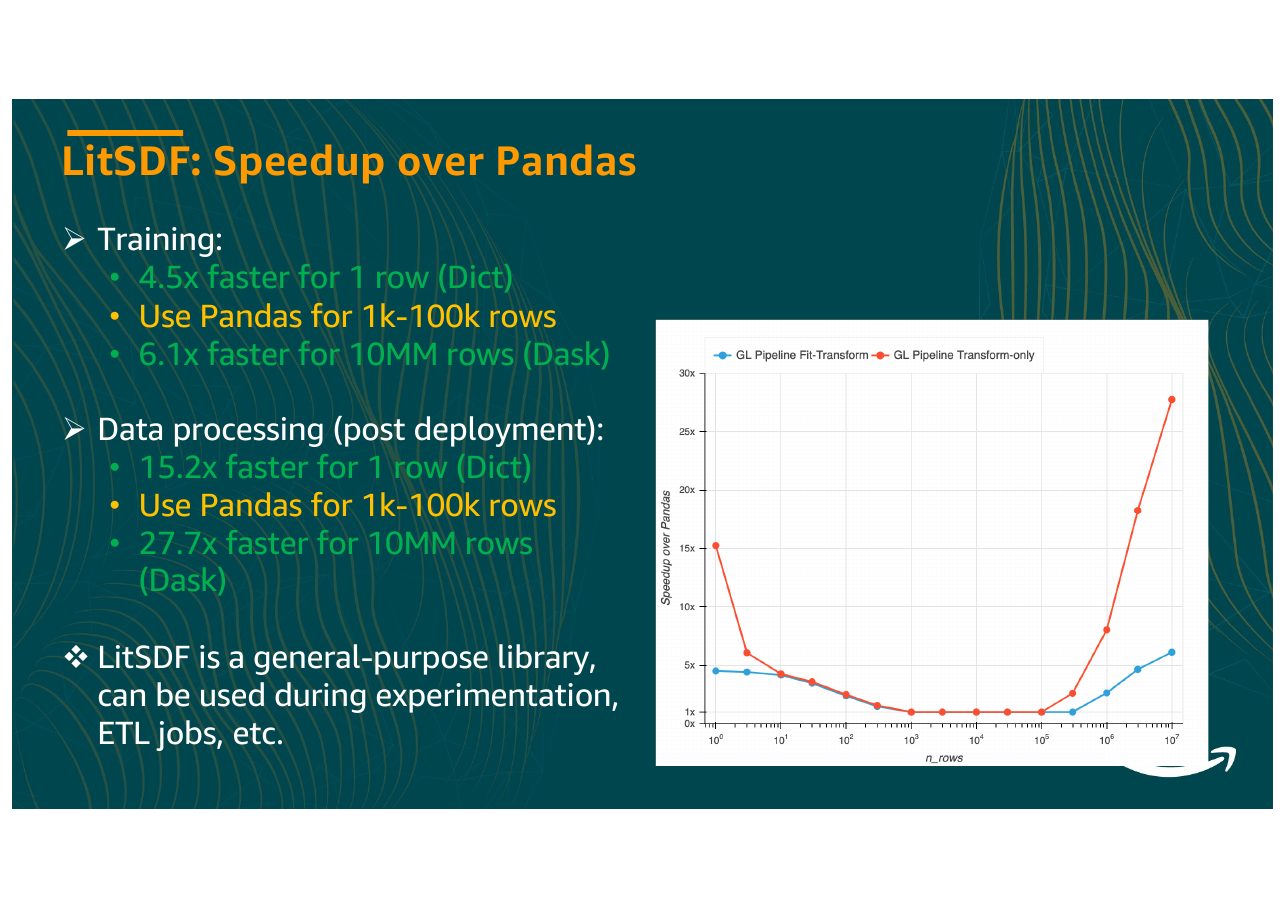
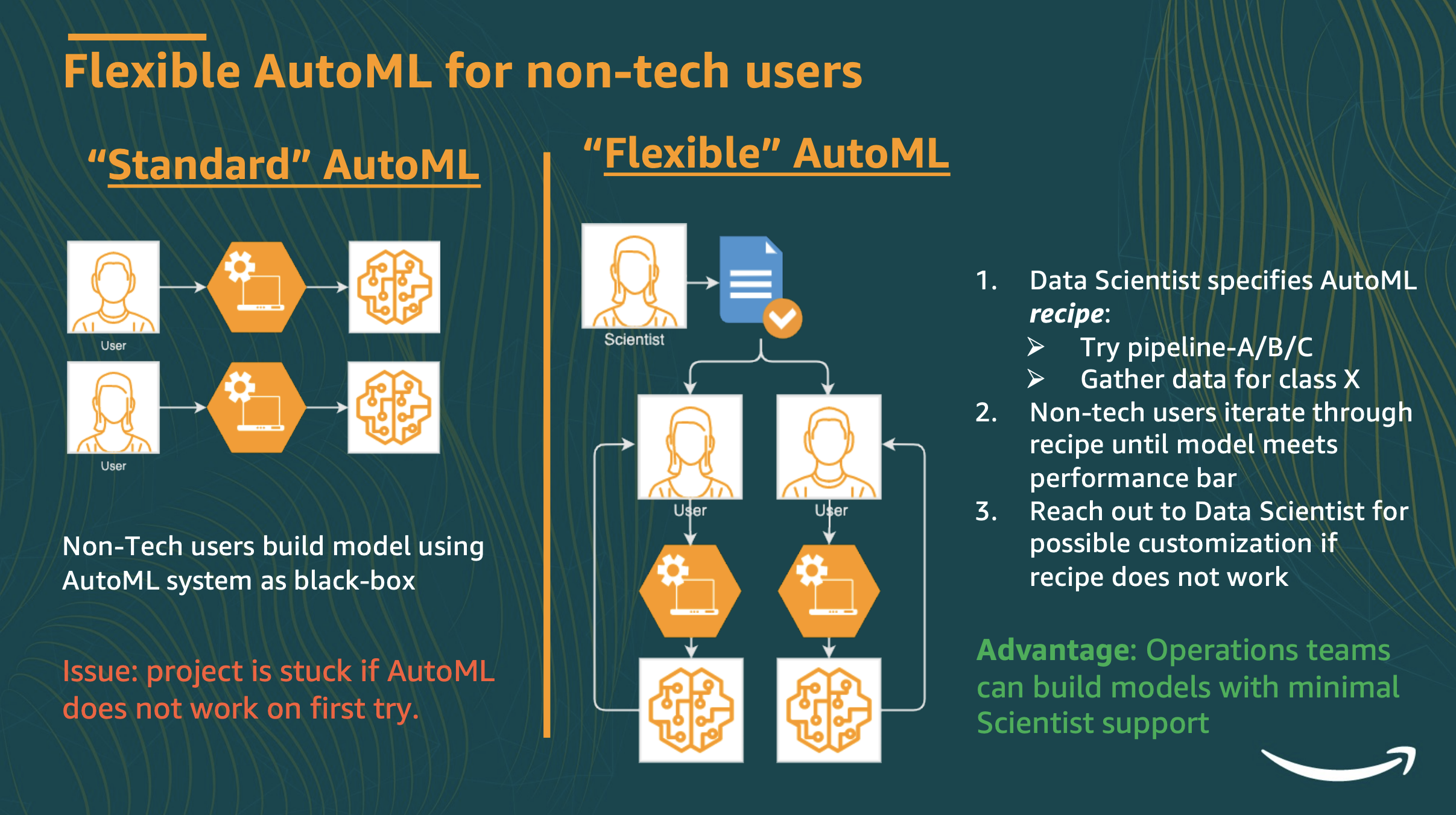
Current AutoML systems consider only two scenarios: (i) AutoML model meets performance bar, or (ii) model misses performance bar. Efforts have been dedicated to improving this ratio, but common issues are not addressed: (iii) model missed performance bar by 1% (iv) model is too slow in production (v) Custom model needs 6+ months to deploy. Different AutoML user-personas (Data Scientists, Engineers, Non-Tech) face different issues depending on their background. Flexible AutoML is a paradigm which addresses the needs of all personas. We present an experimentation platform, Litmus, which provides convenient interfaces for experimentation for each user-persona, is extensible to new ML paradigms, and scales to large models and datasets. We further discuss how Litmus accelerates AutoML adoption across Amazon.
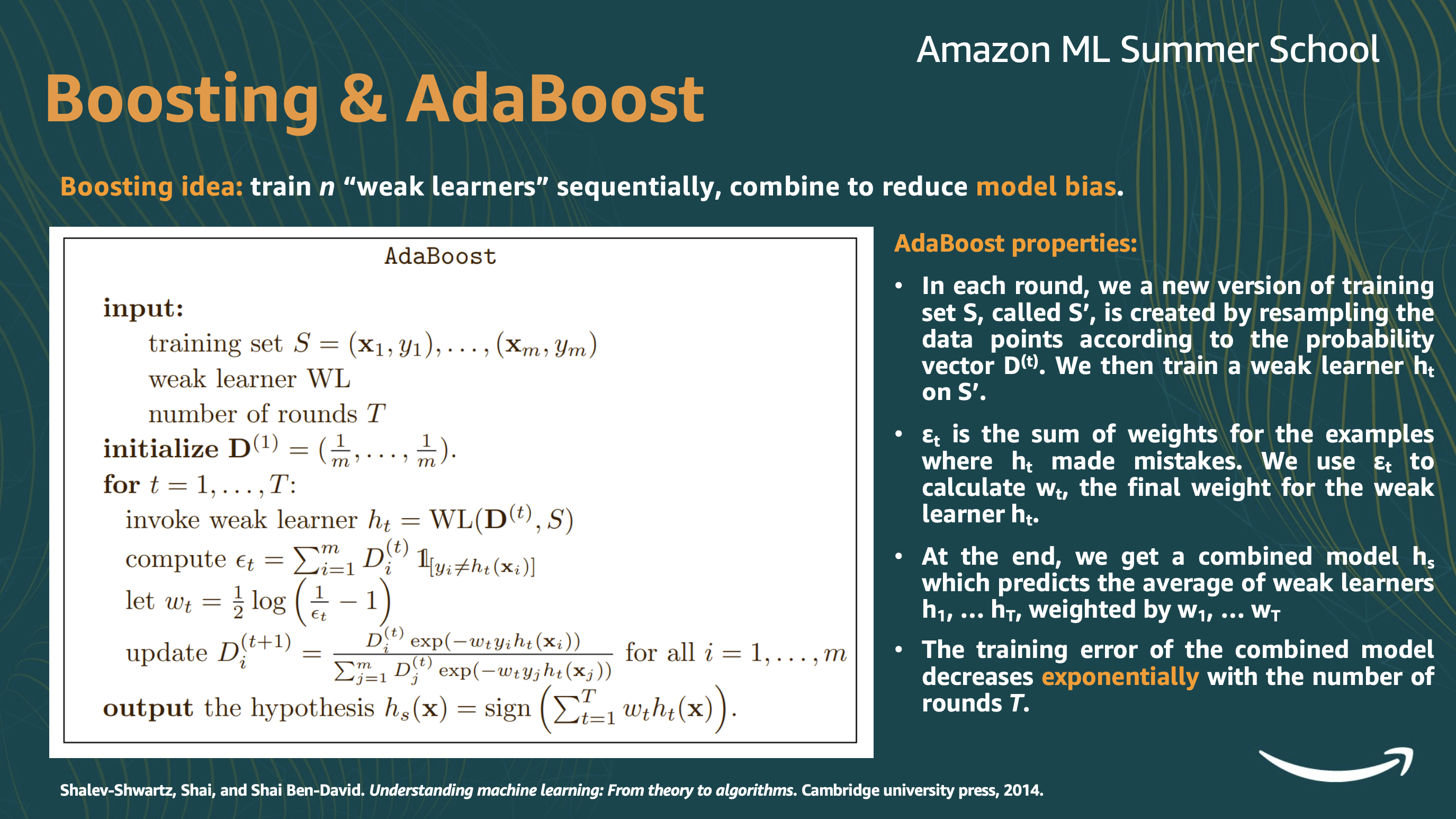
Supervised Learning (Decision Trees, Bagging and Boosting algorithms)
Lecture 14 June 2022
Amazon ML Summer School 2022 · Virtual
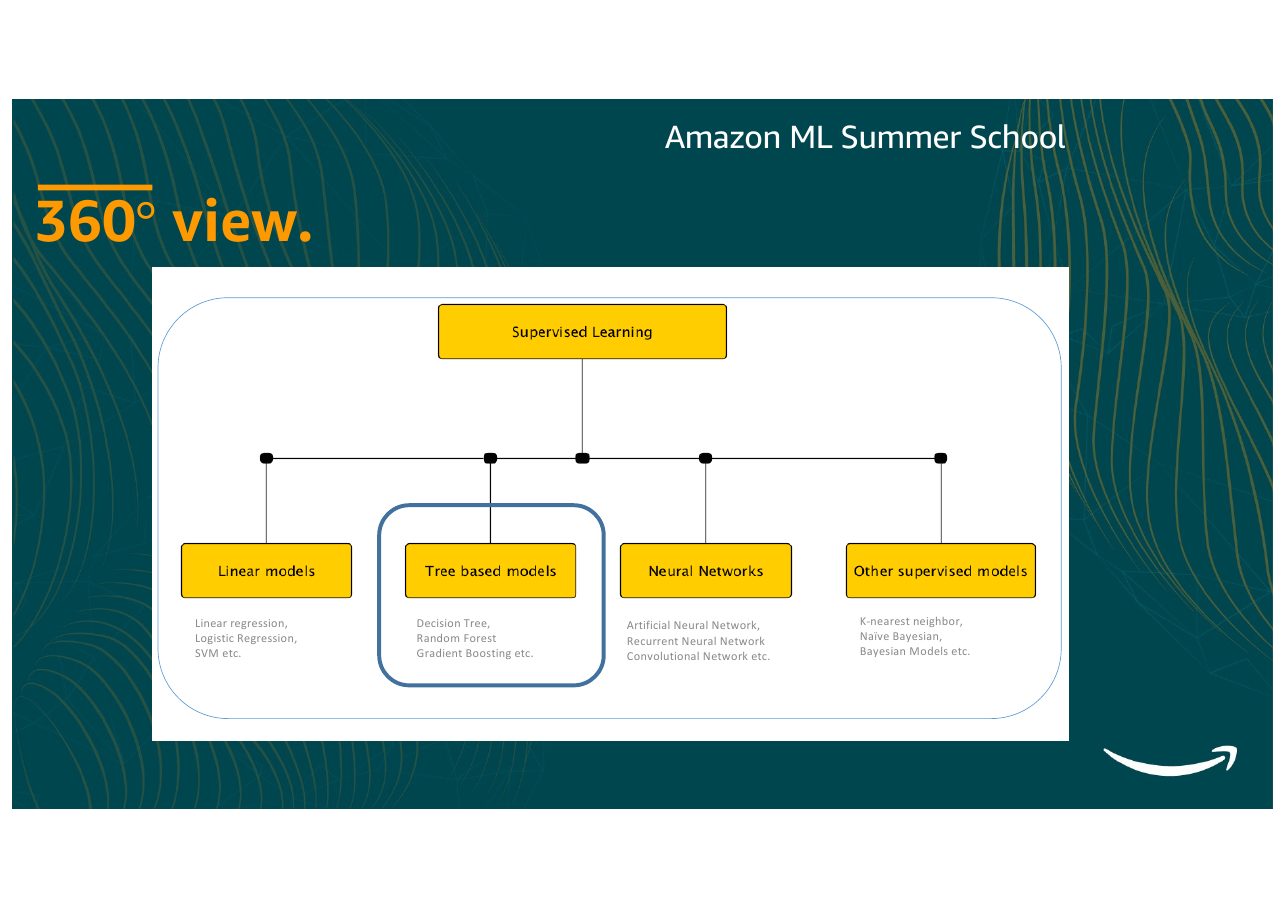
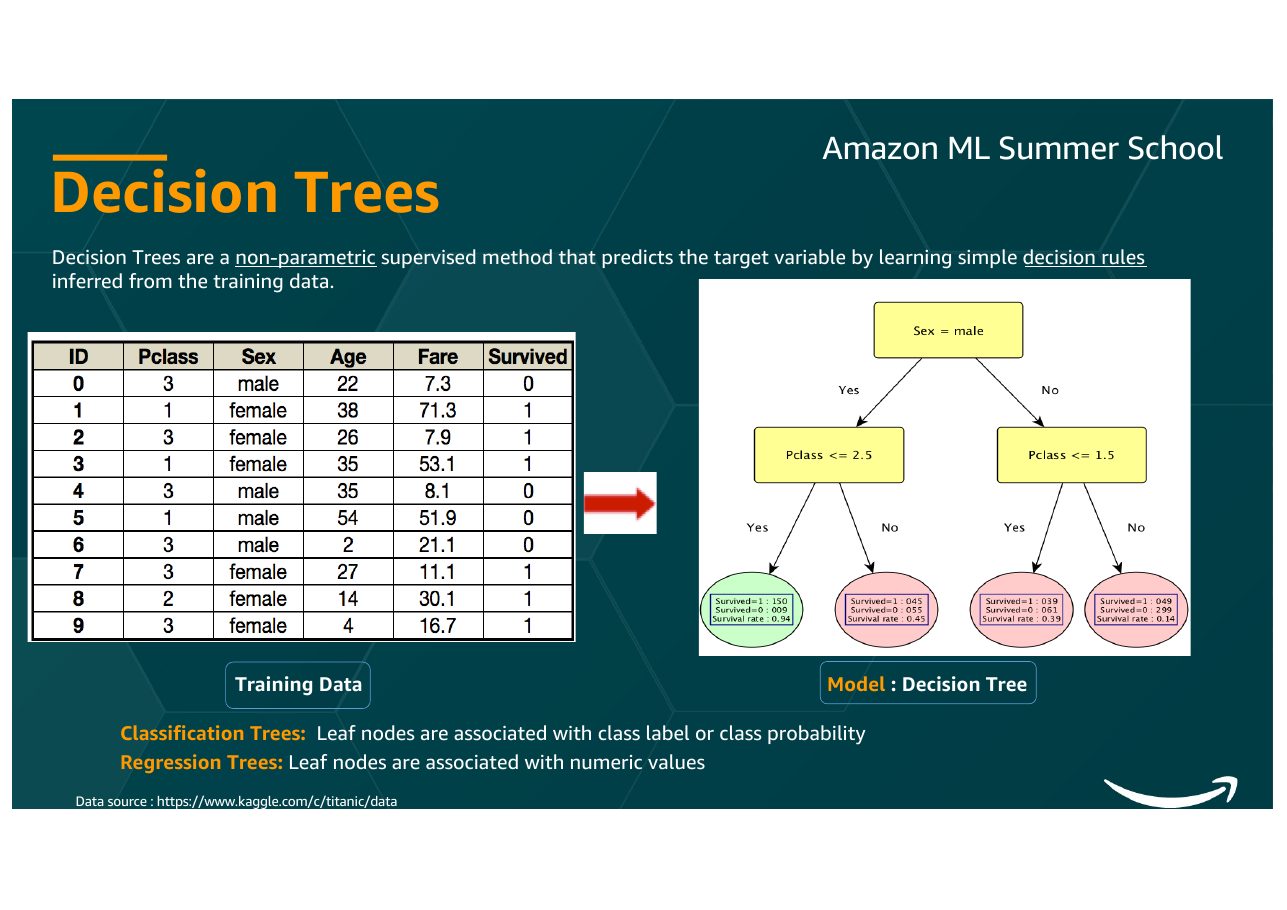
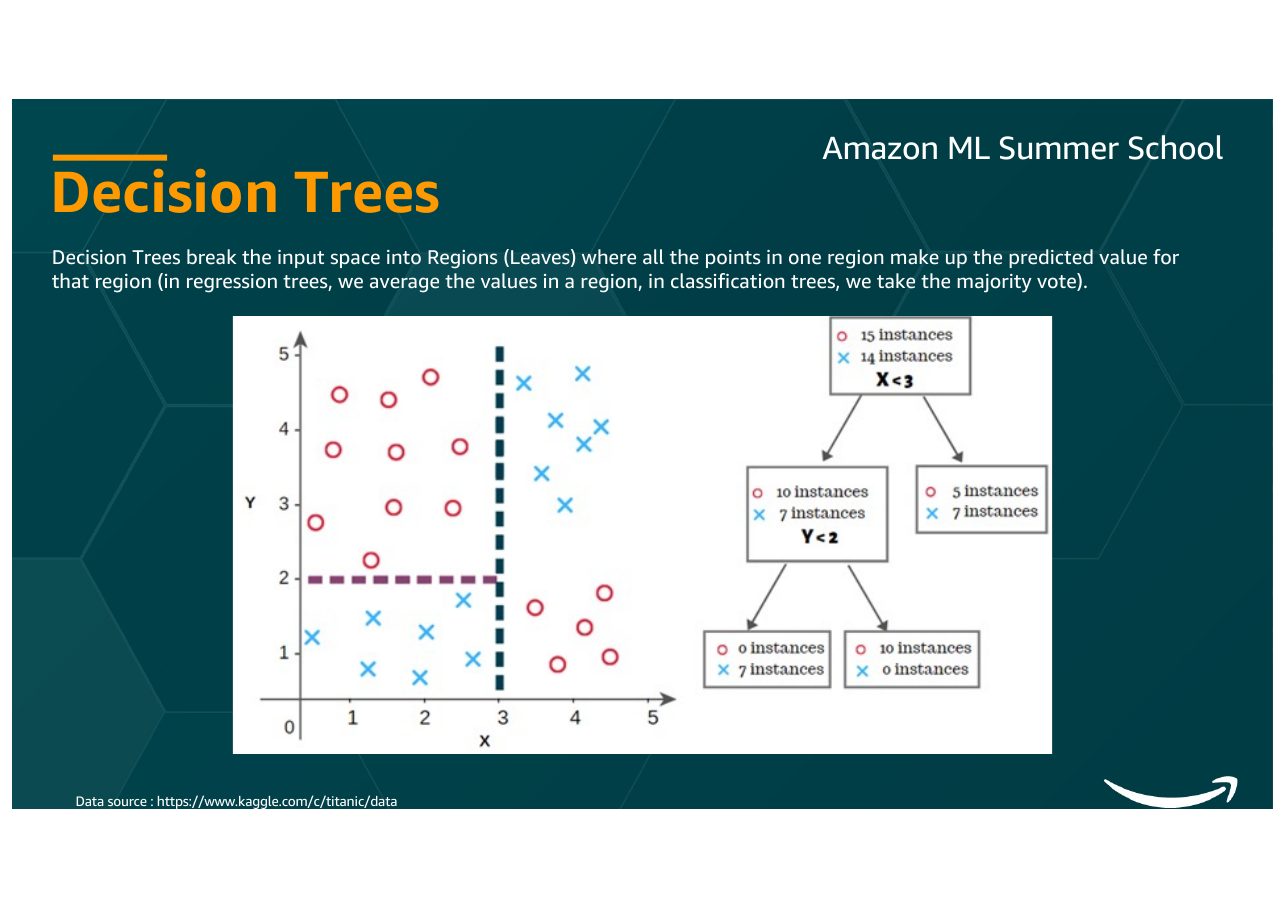
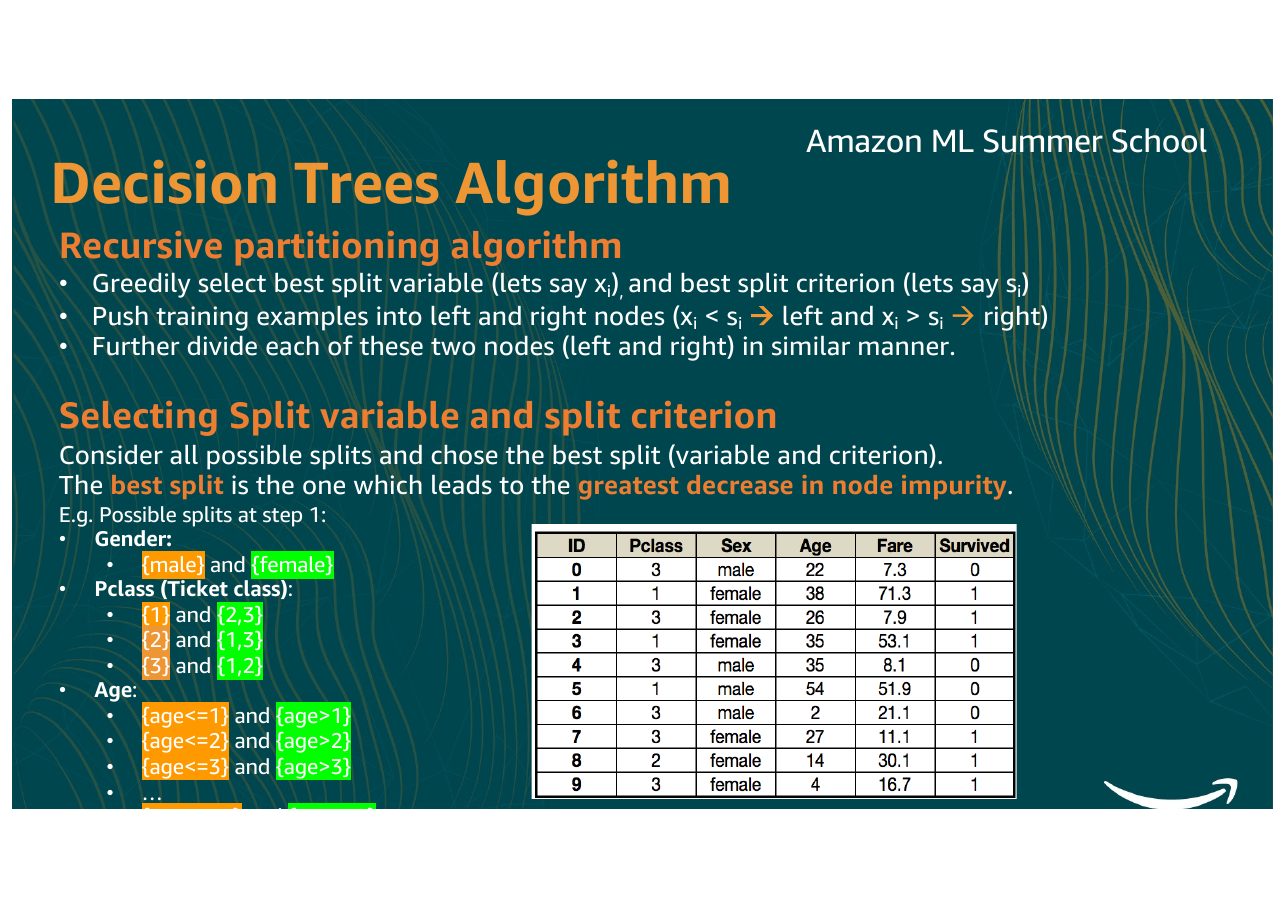
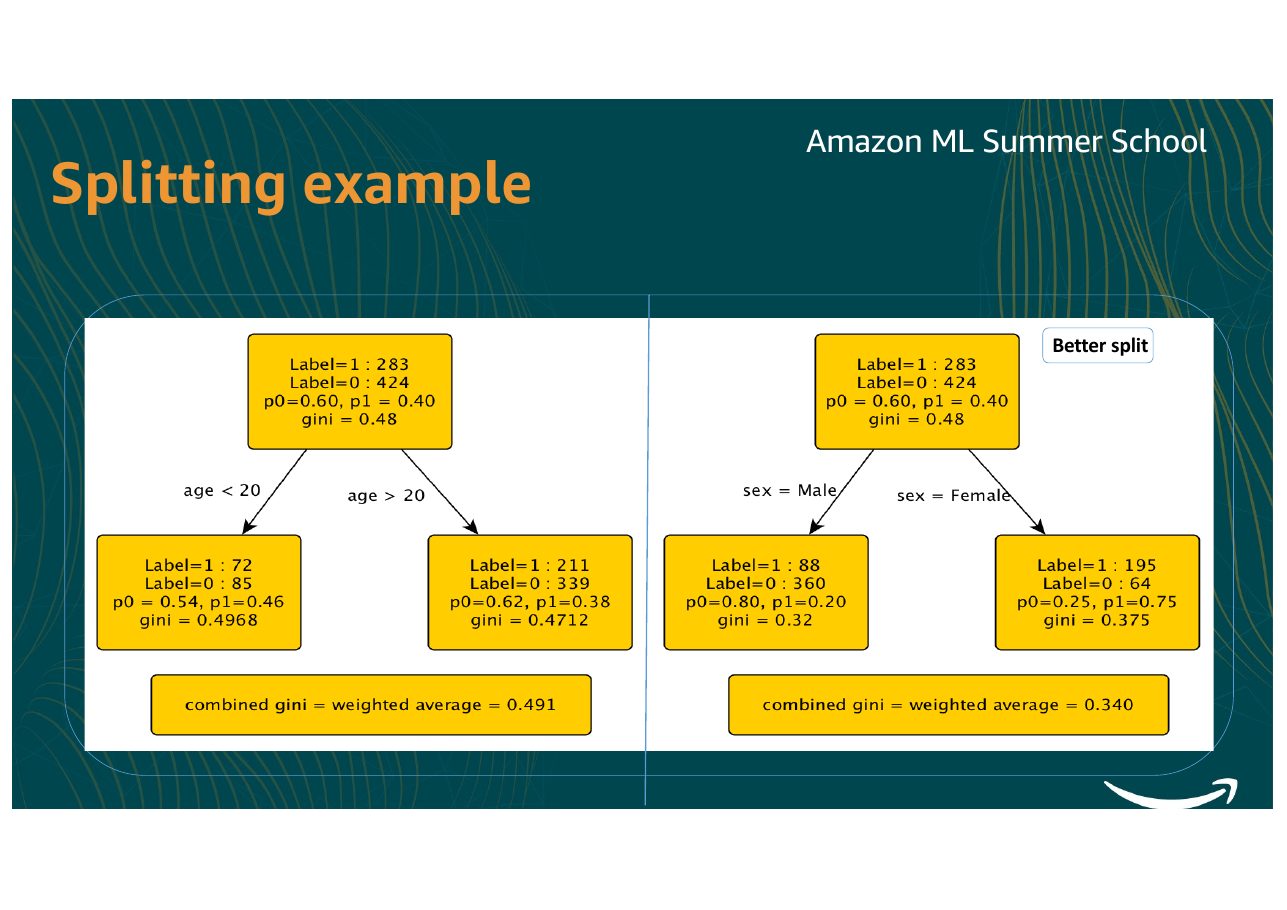
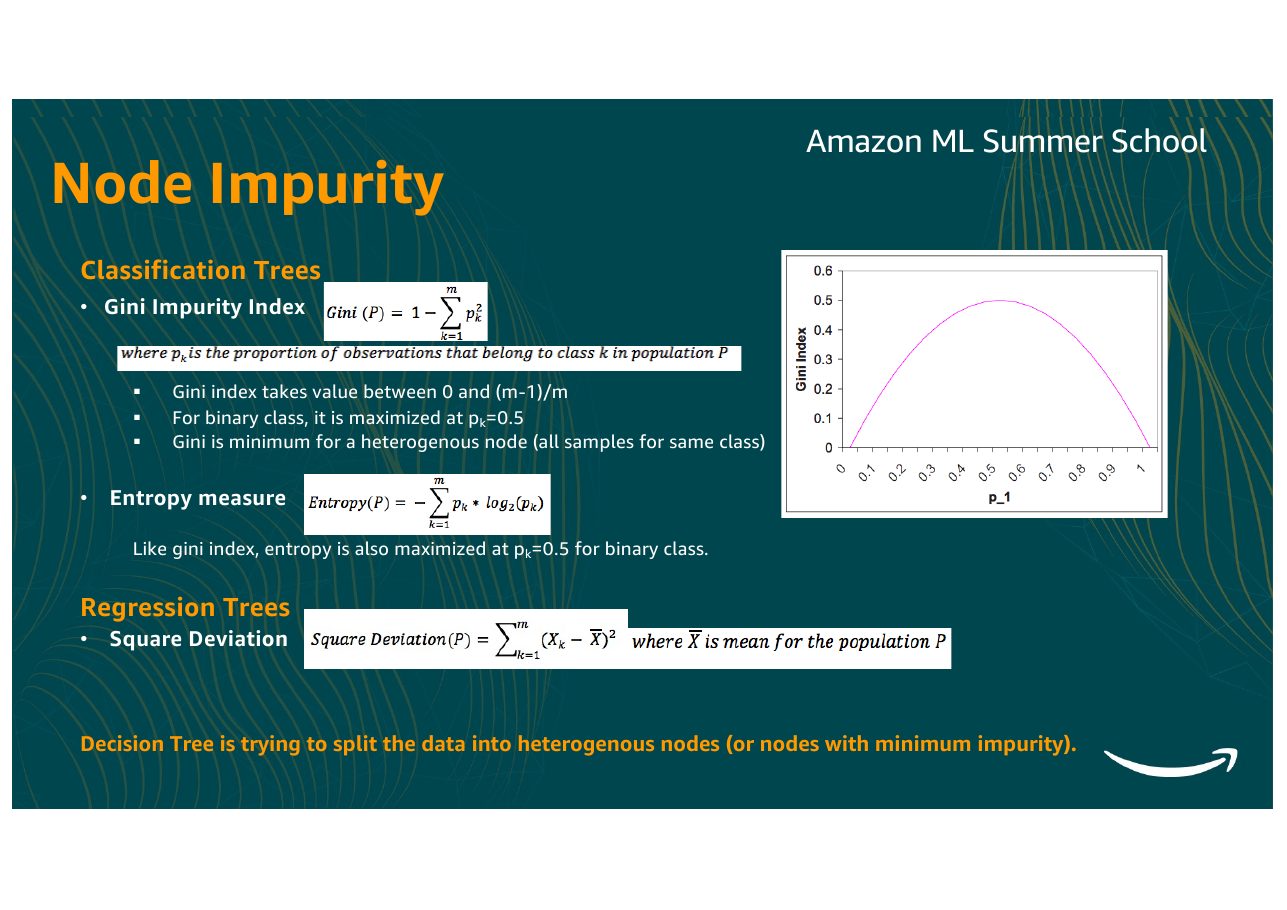
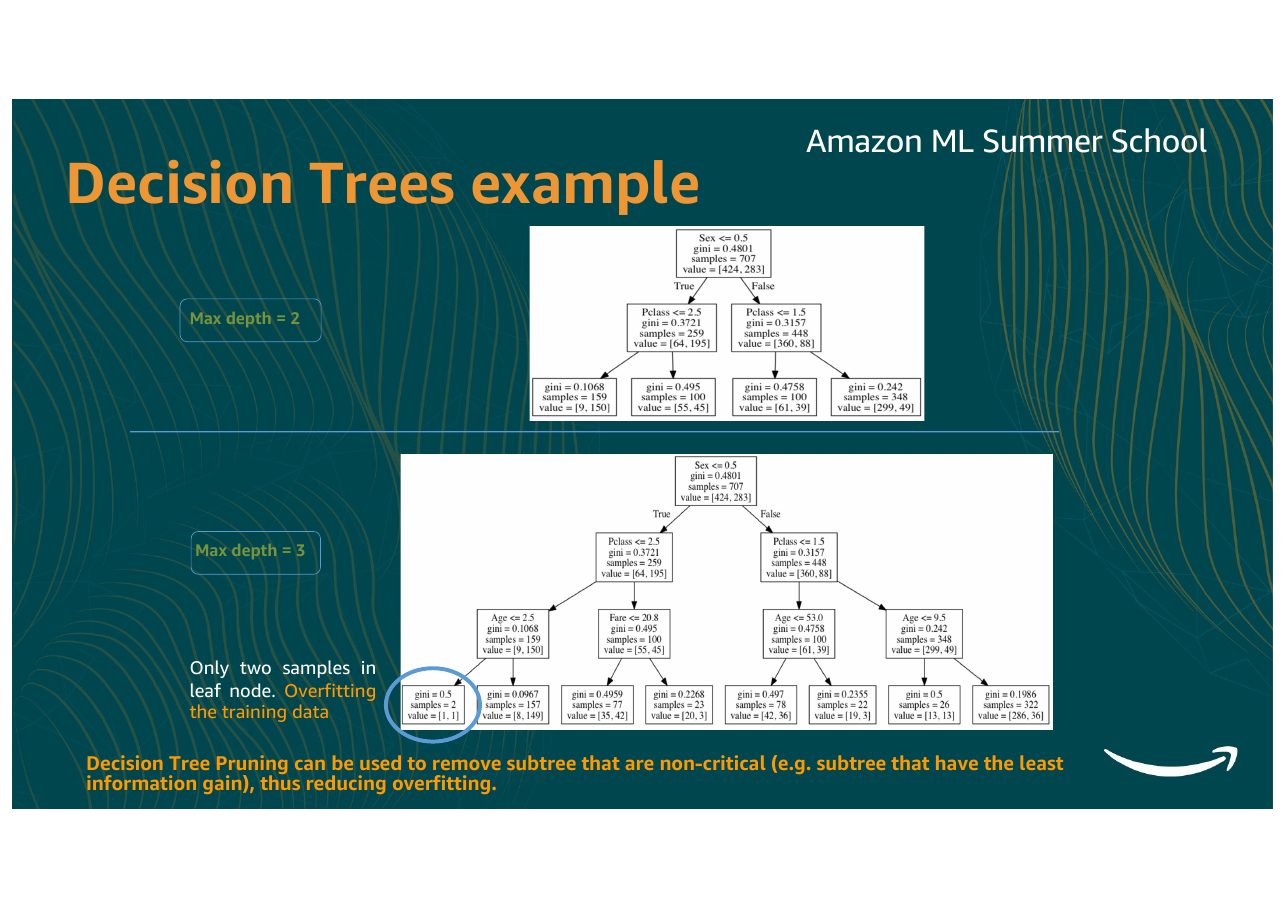
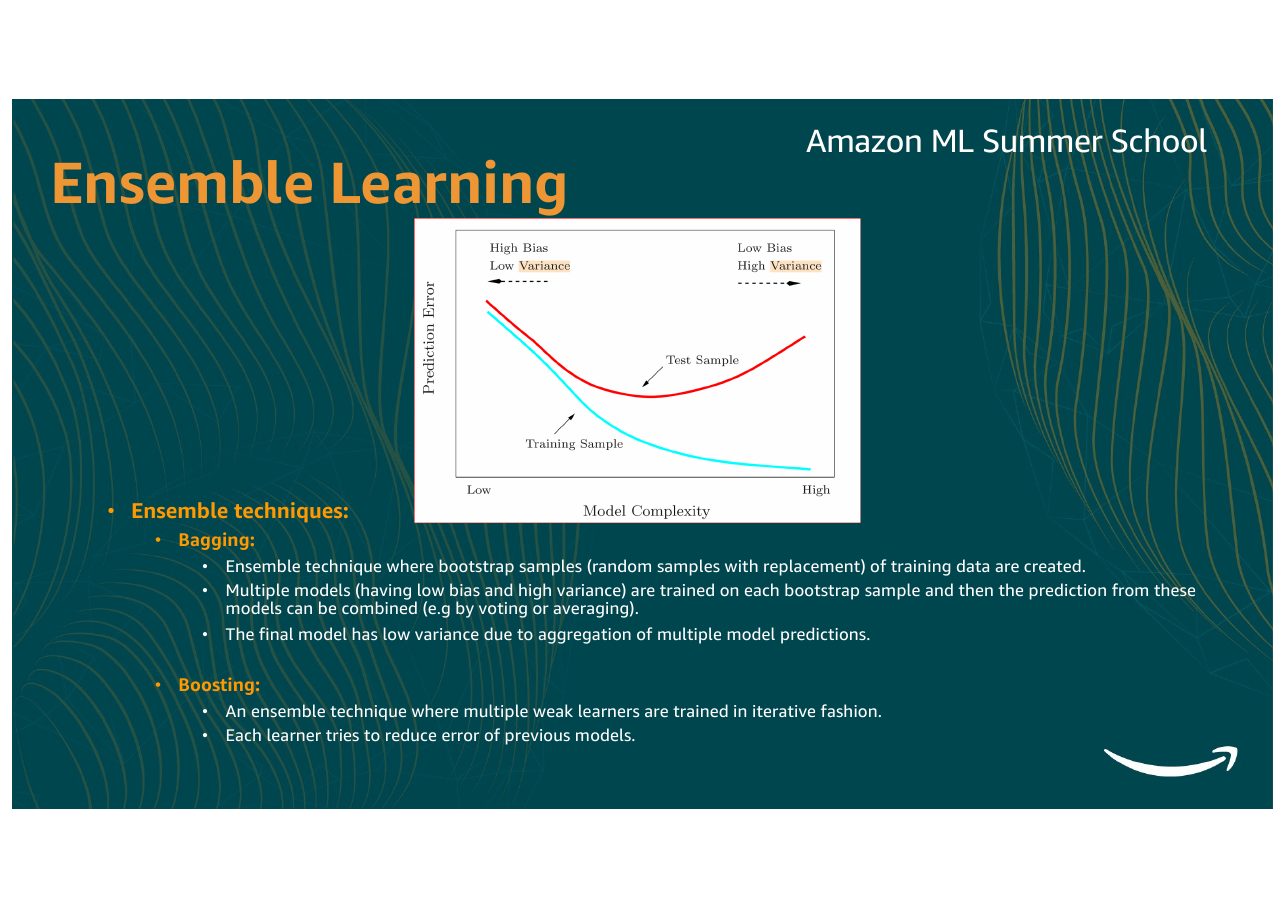
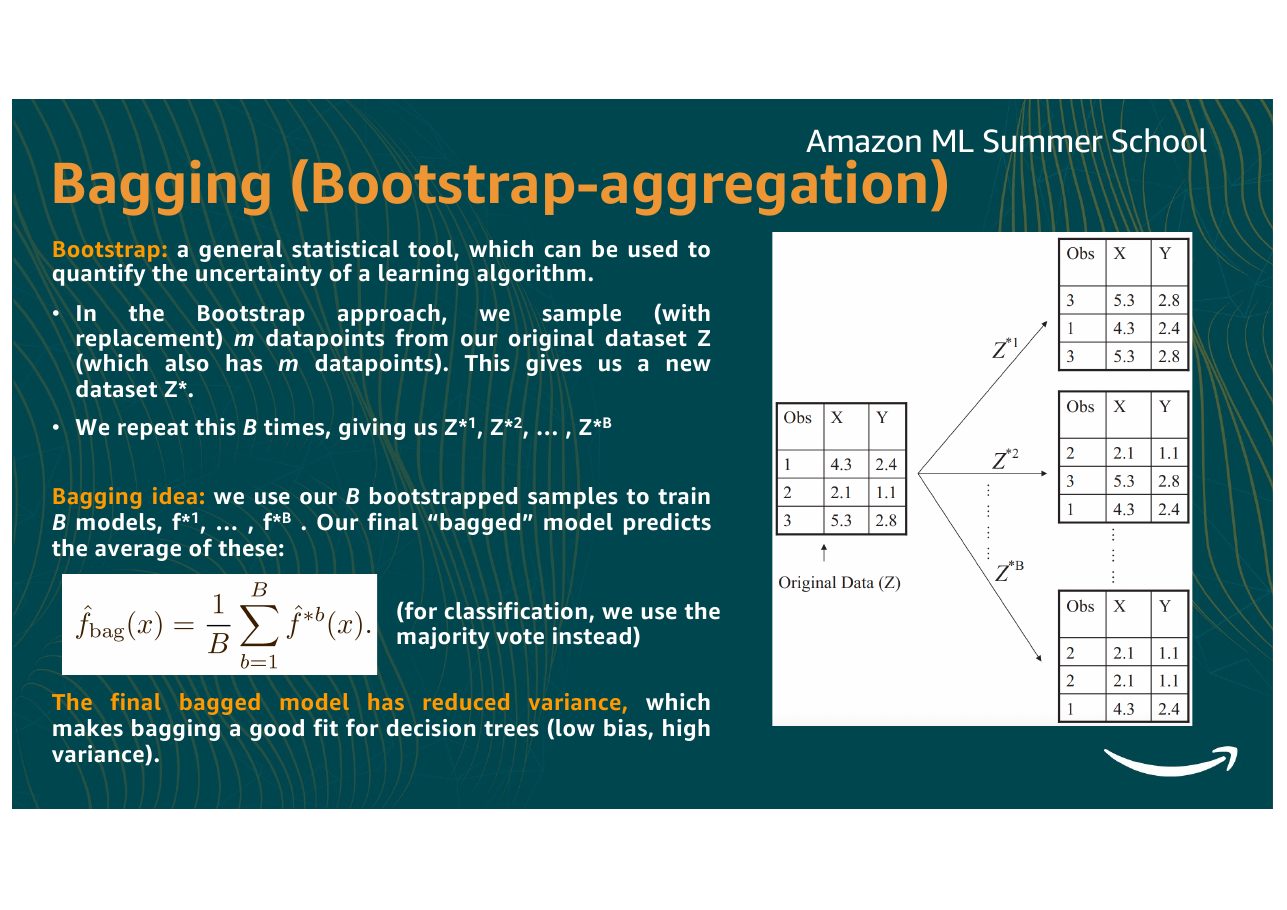
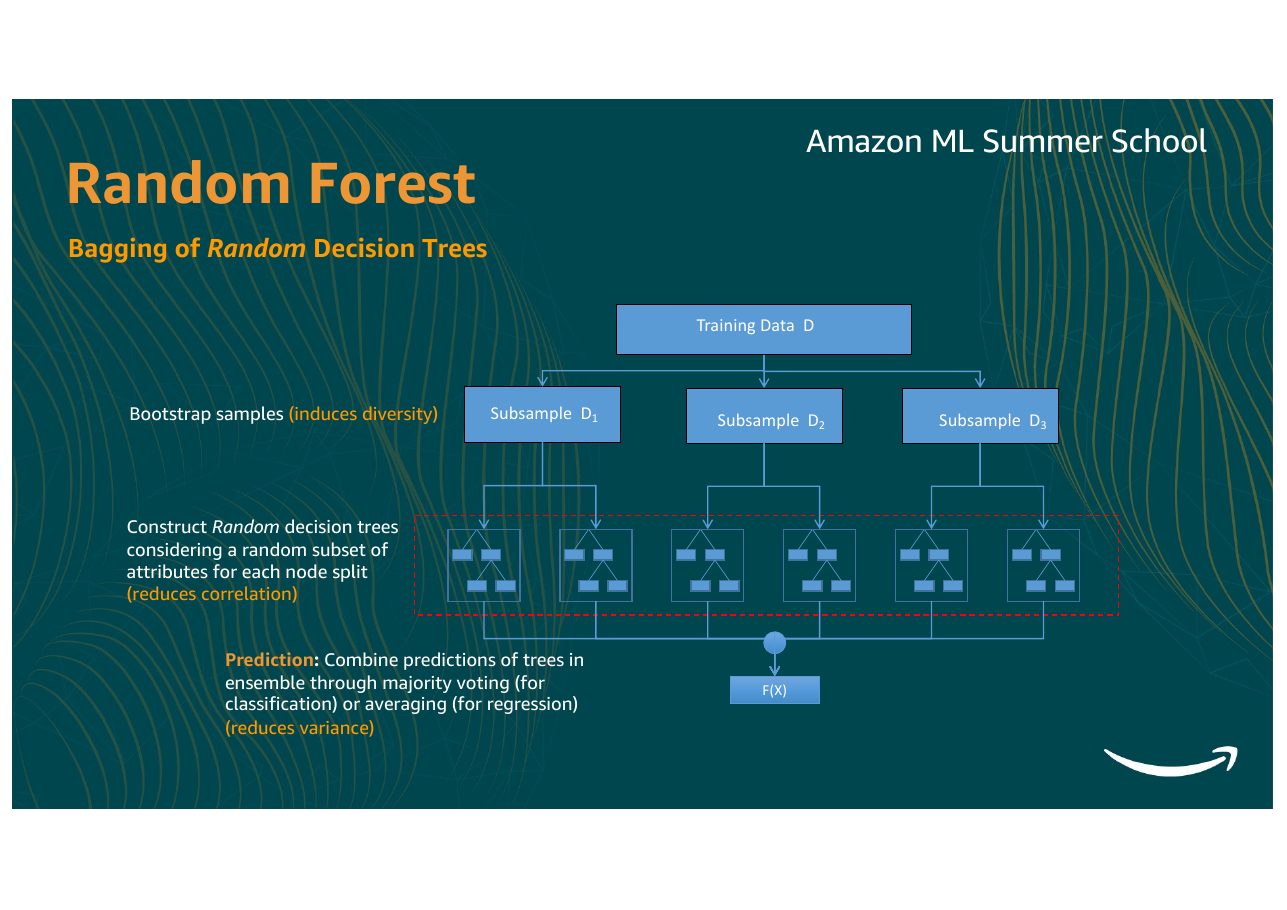
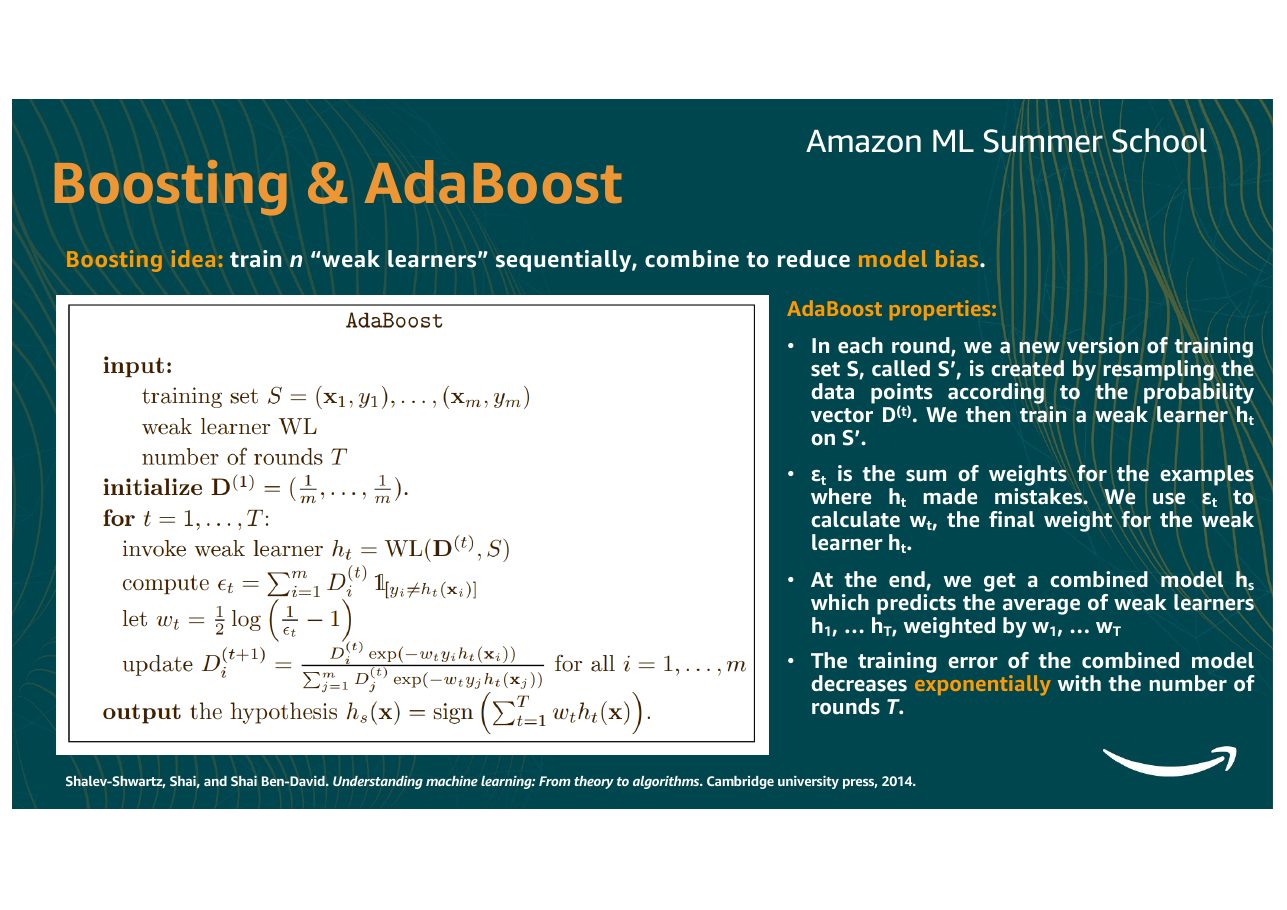
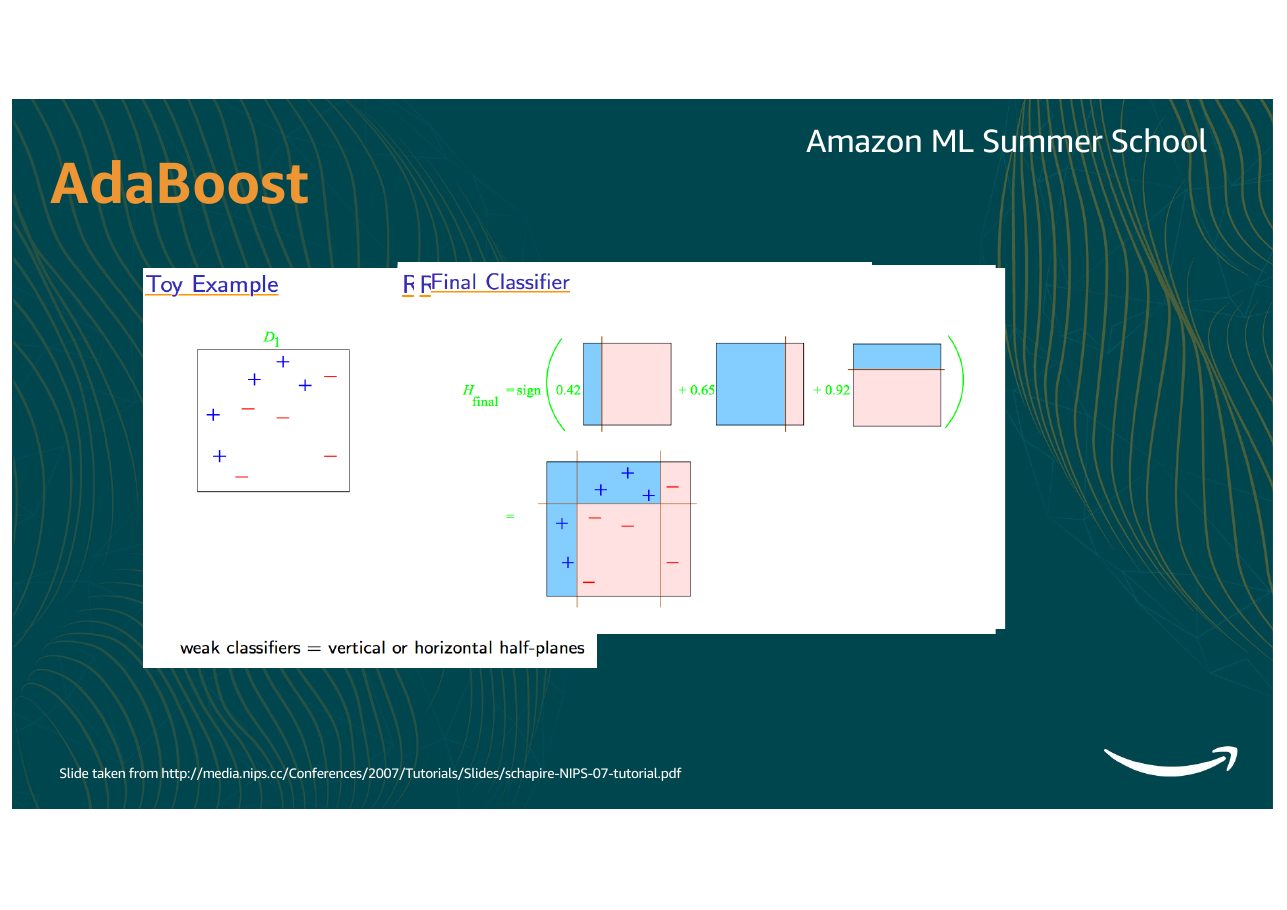
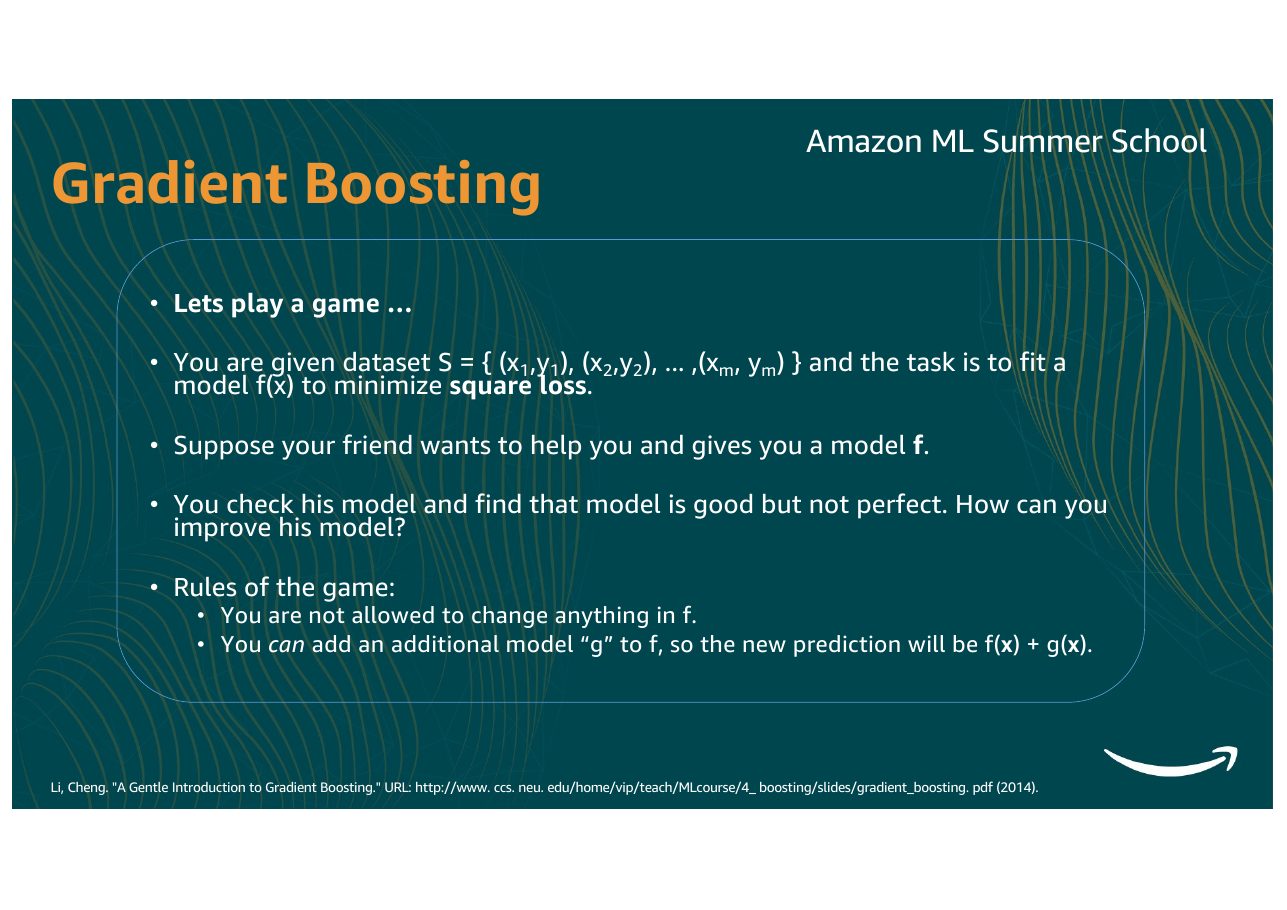
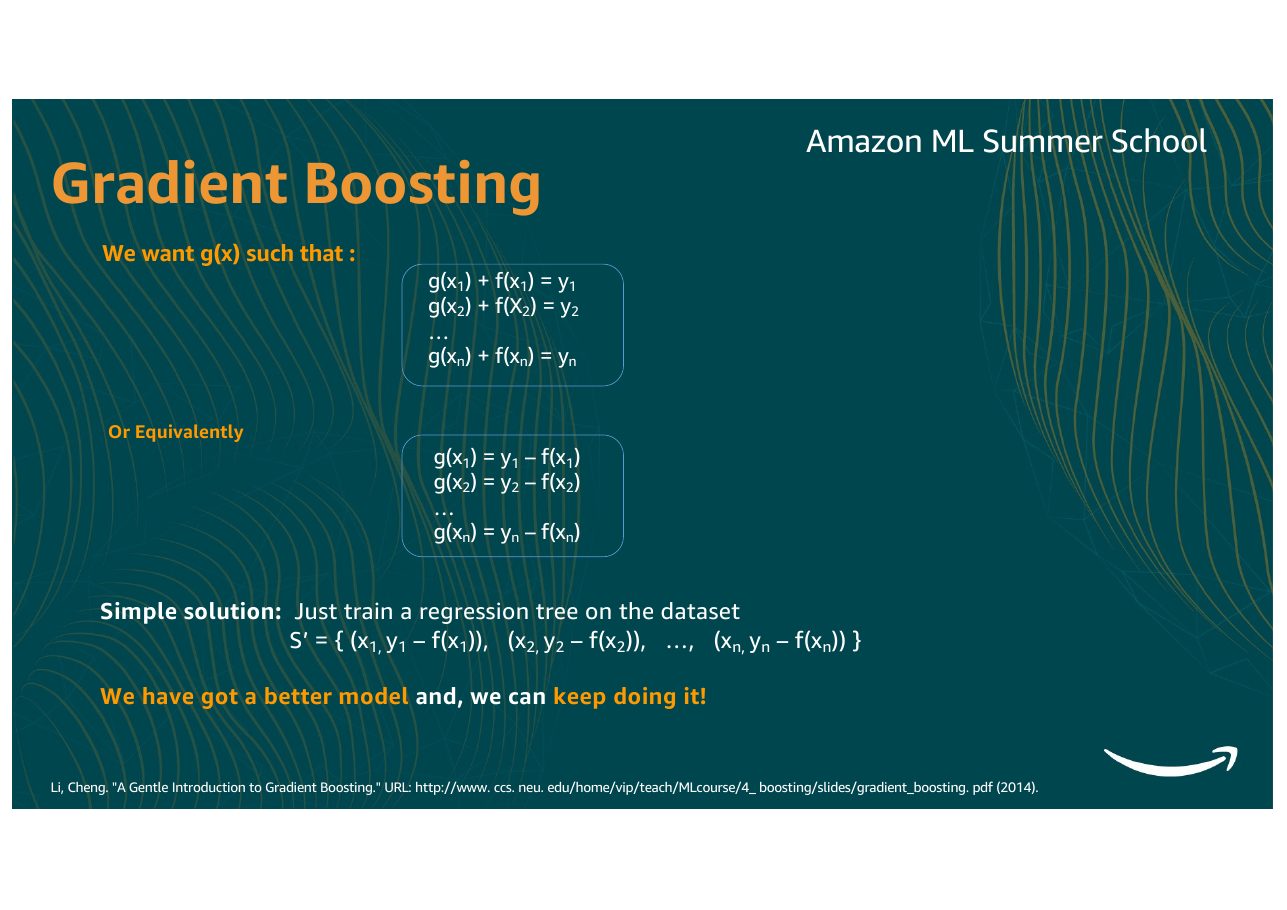
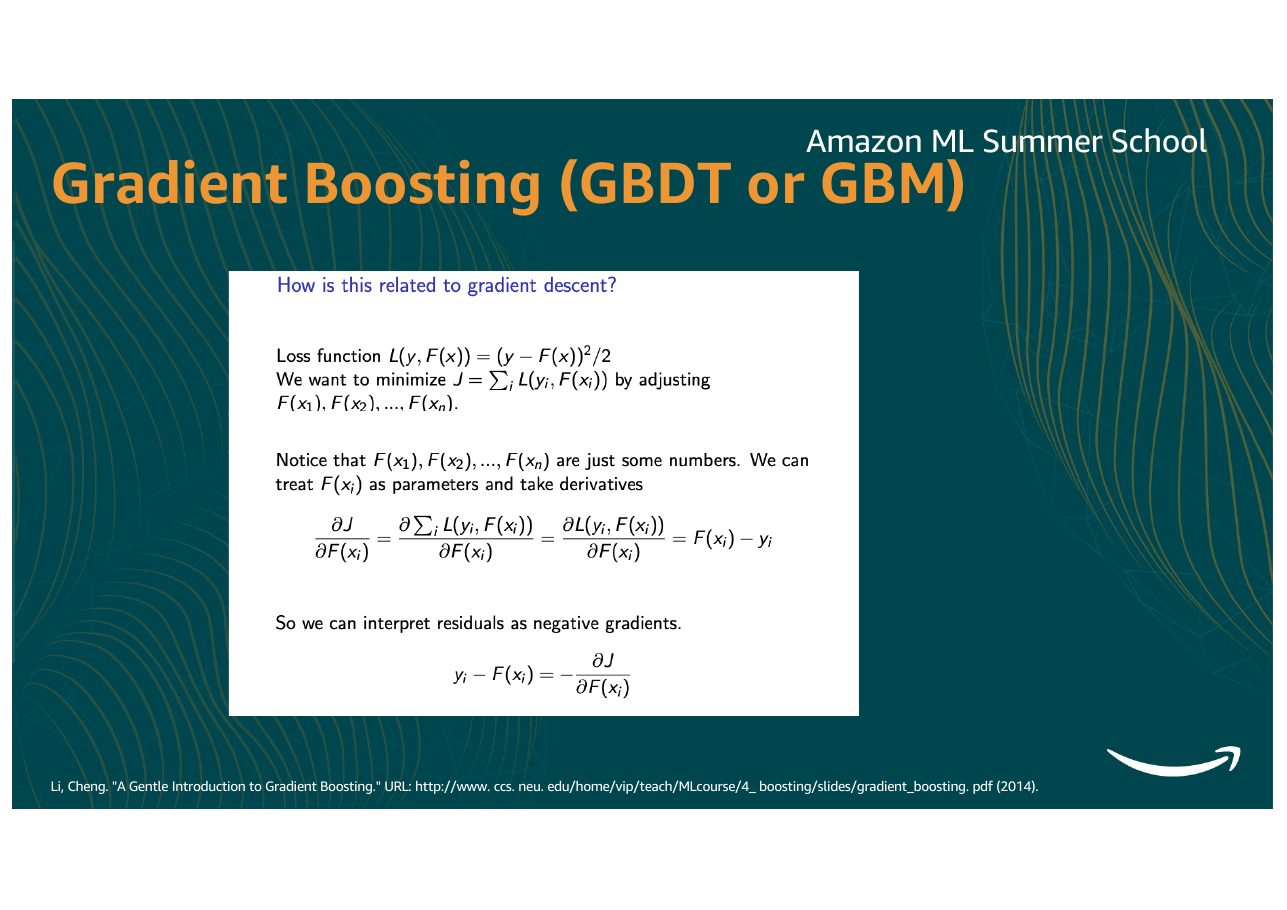
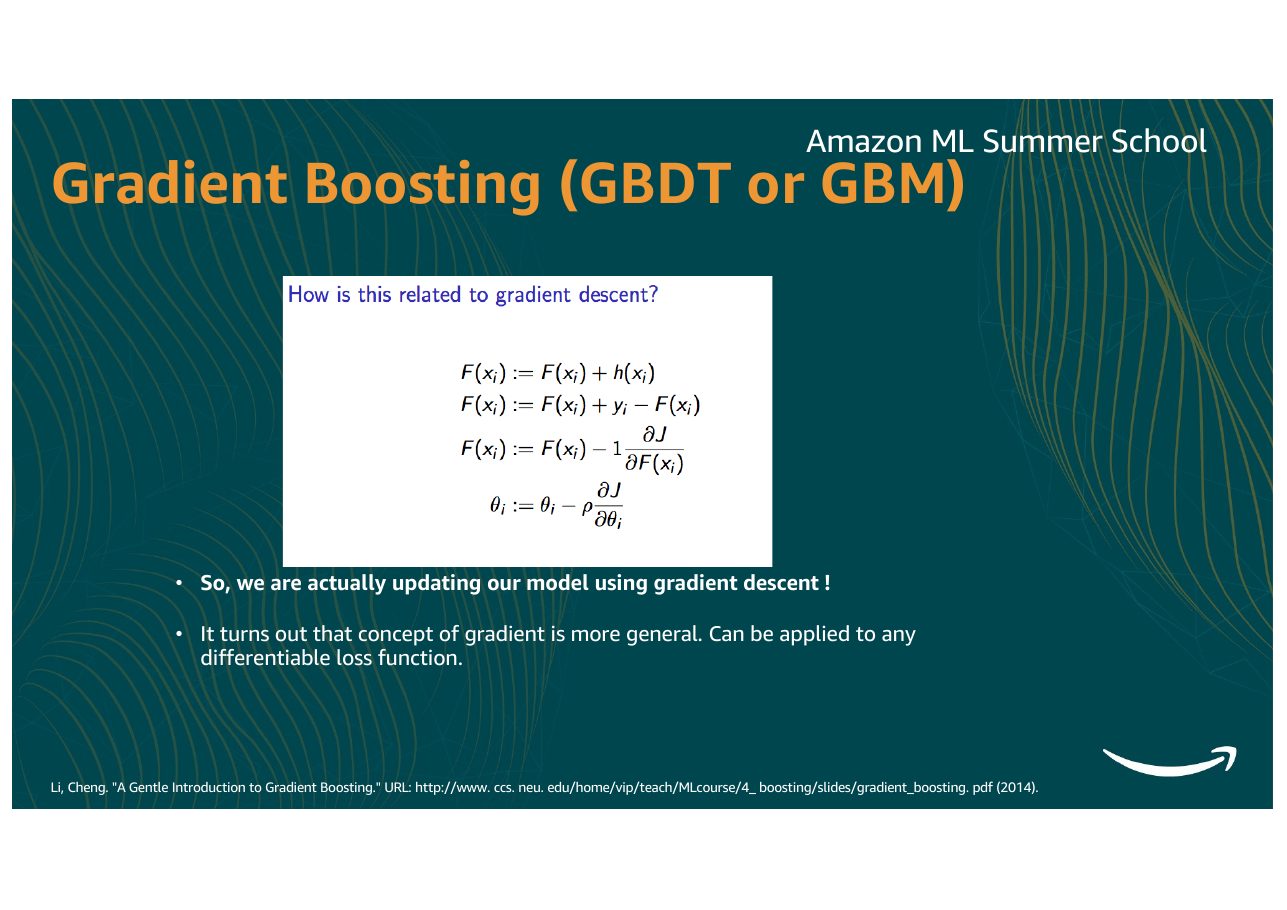
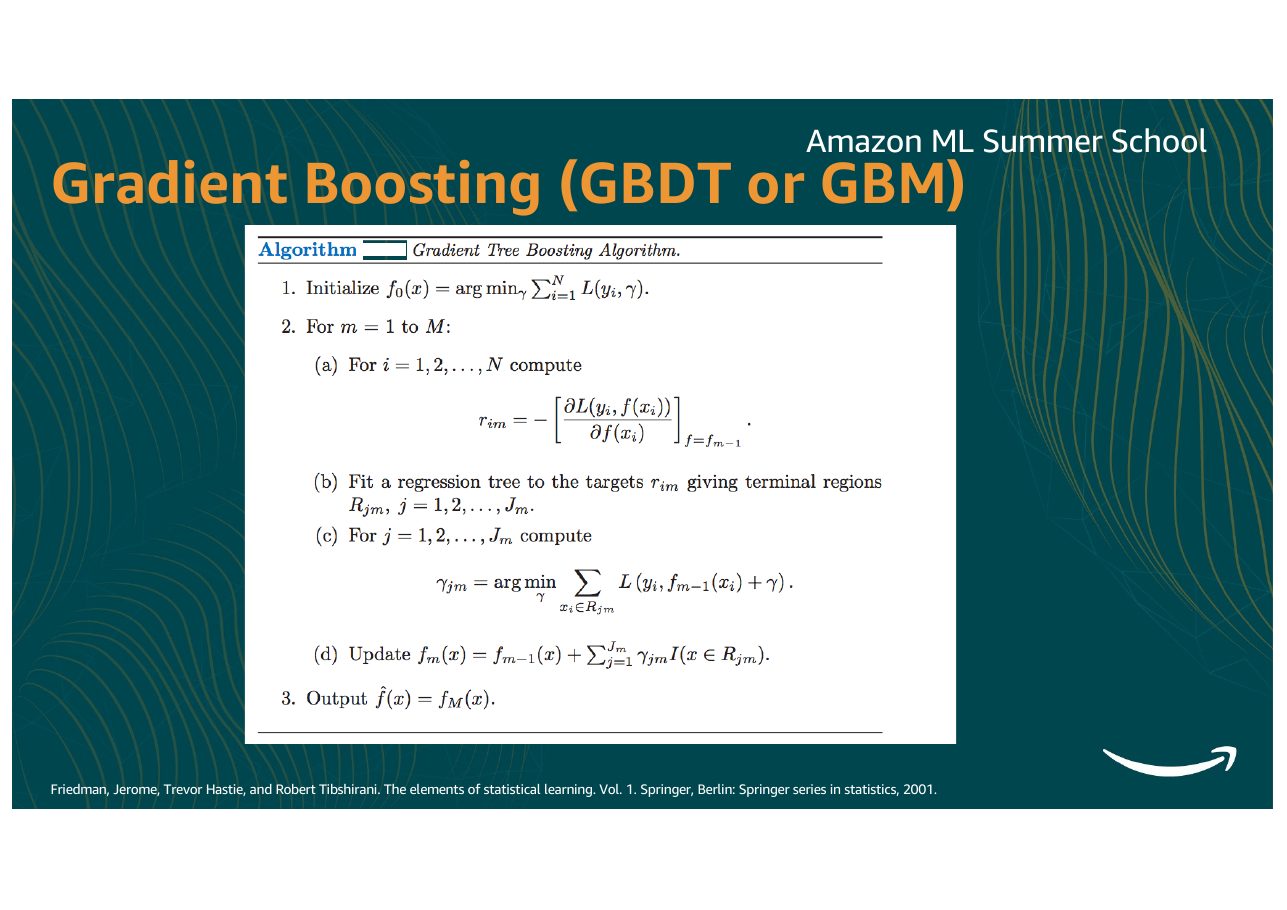
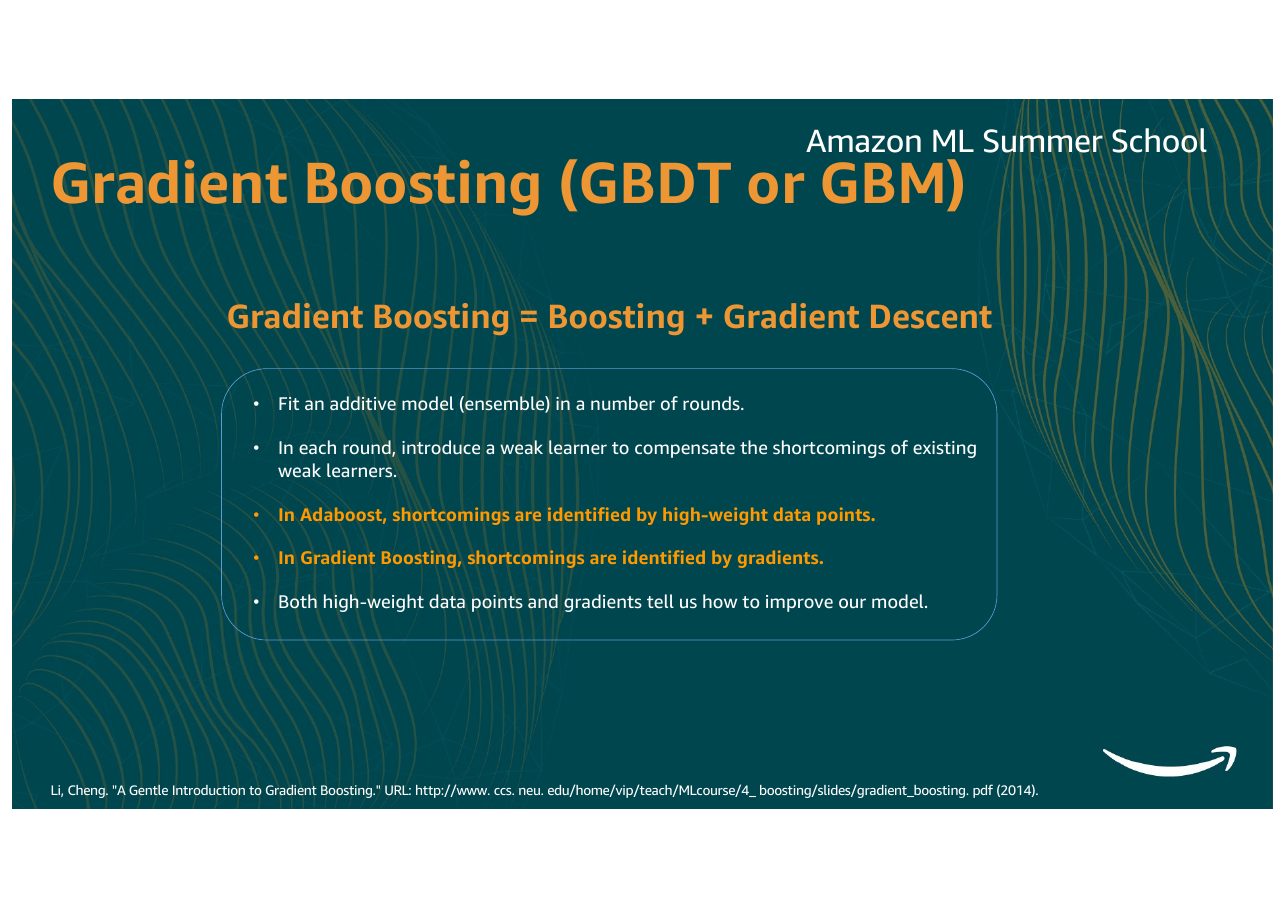

Amazon ML Summer School 2022 was an initiative which enrolled ~3,000 Indian undergraduate students and helped them learn key ML technologies from Amazon Scientists. I taught a module on Supervised Learning covering Decision Trees, Bagging and Boosting algorithms, followed by a 3-hour Q&A session to clarify student questions.
Being a Machine Learning Scientist at Amazon India
Interview 2022
Amazon
Video interview about my work as a machine learning scientist at Amazon India.
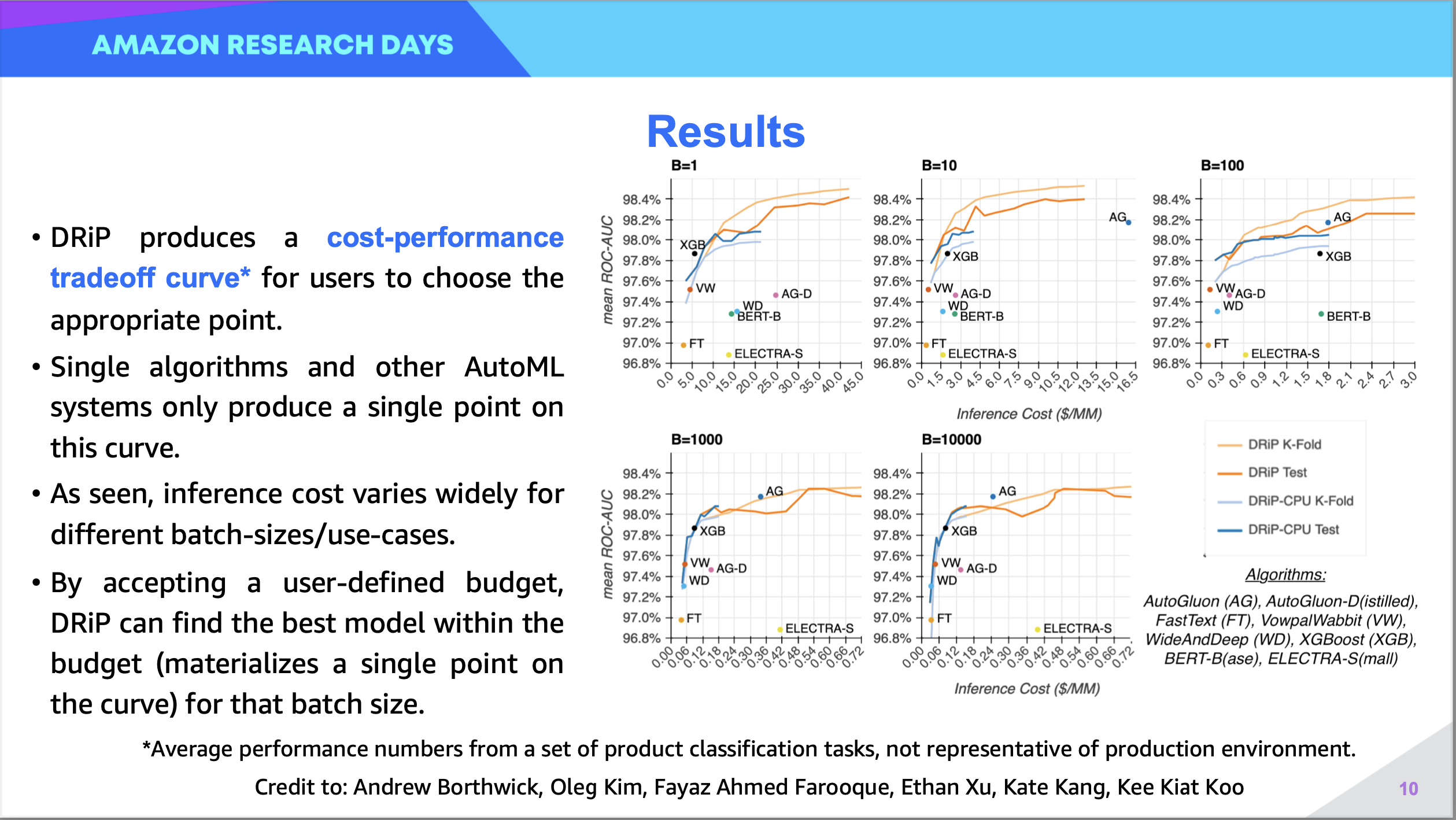
Squeezing the last DRiP: AutoML for Cost-constrained Product Classification
Talk 26 October 2021
Amazon Research Days 2021 conference · Virtual

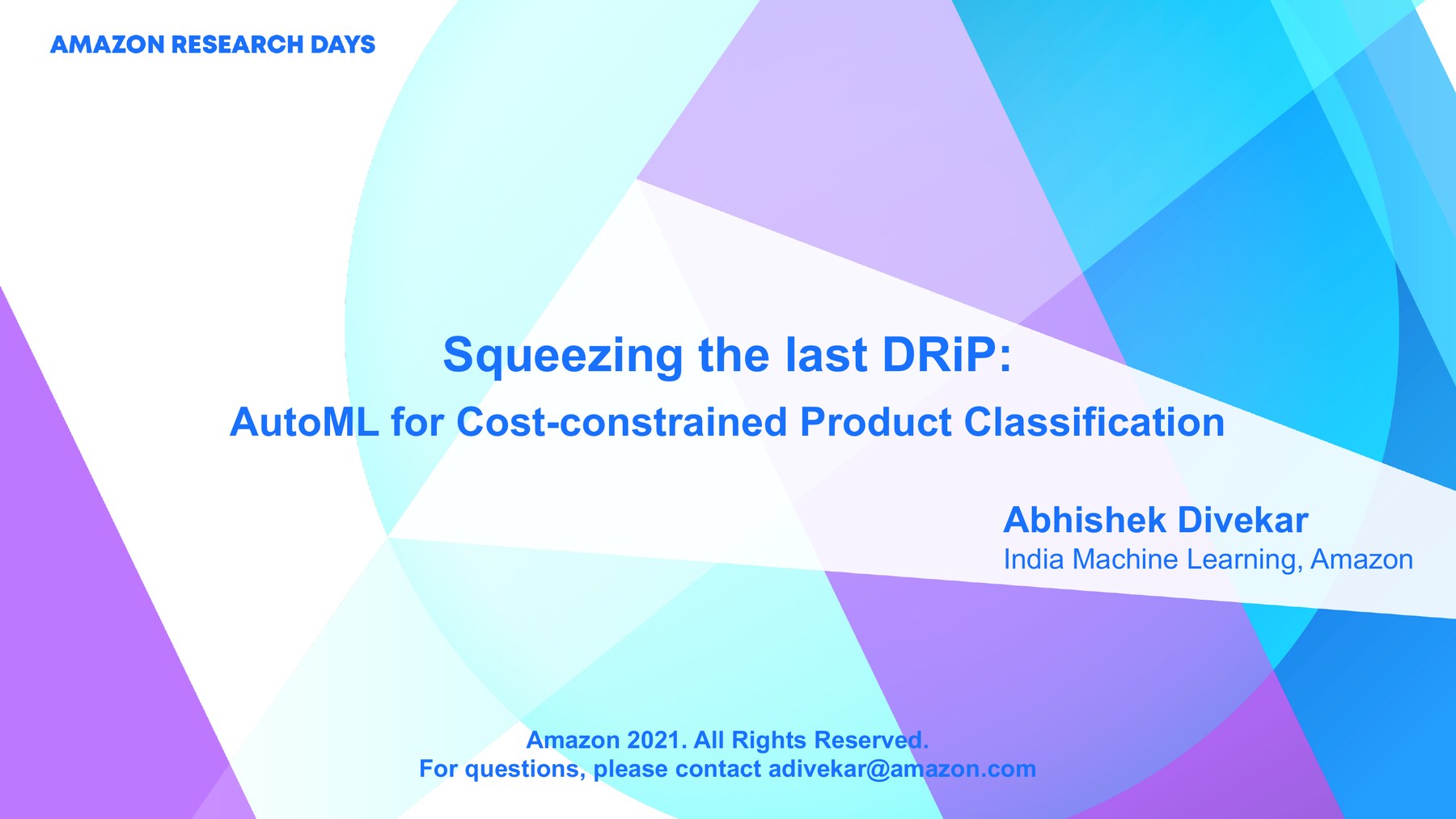
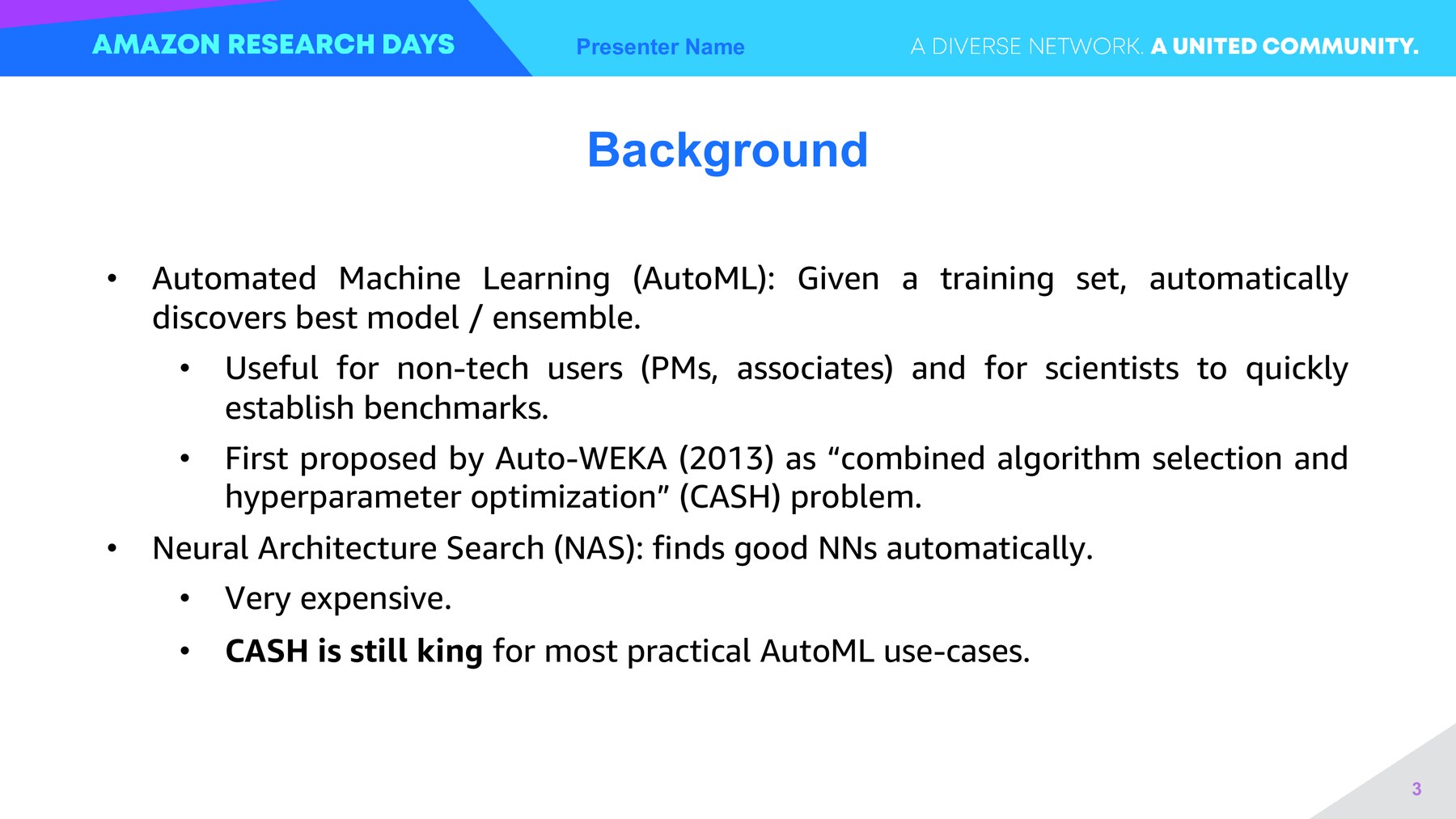
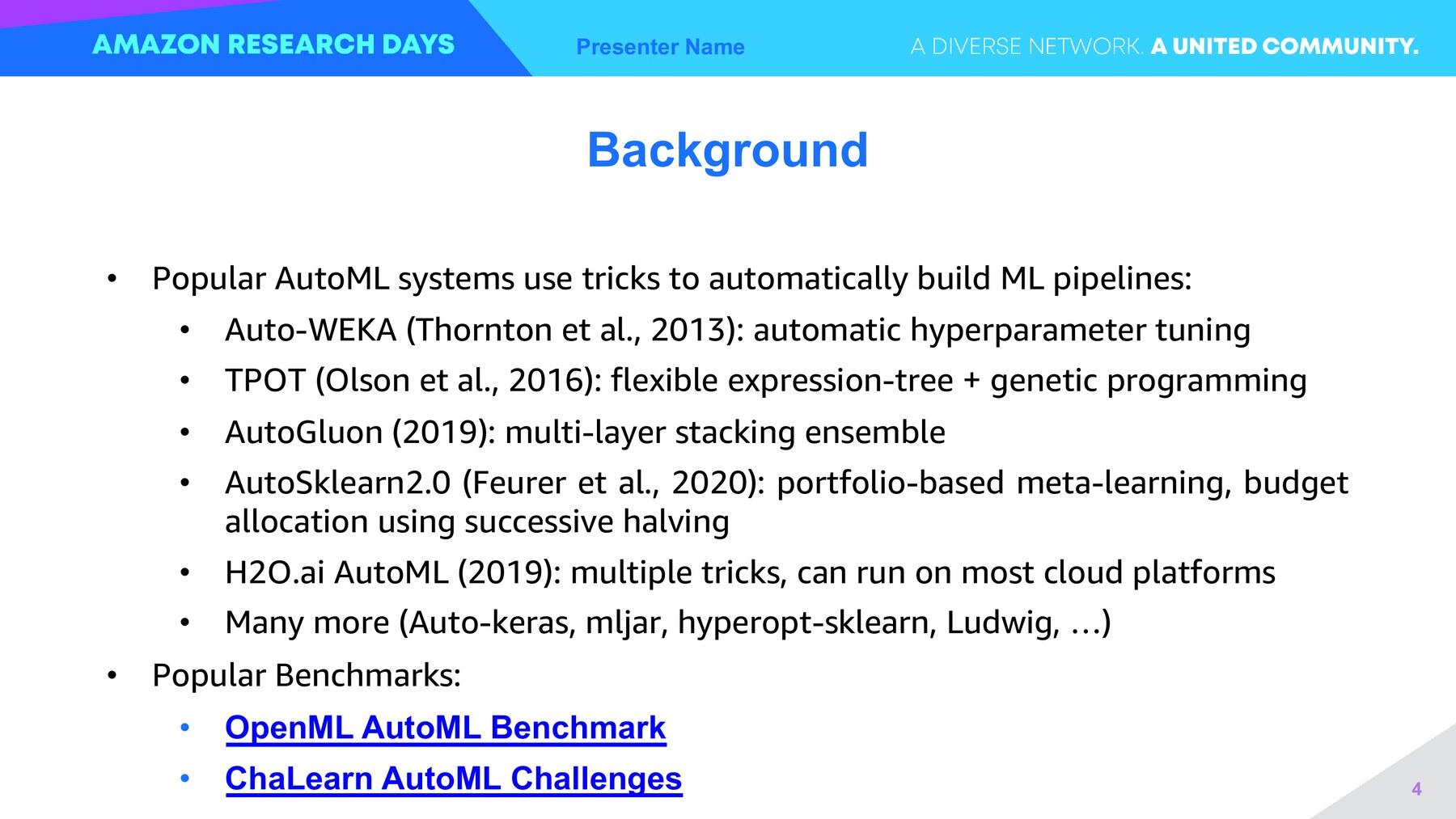
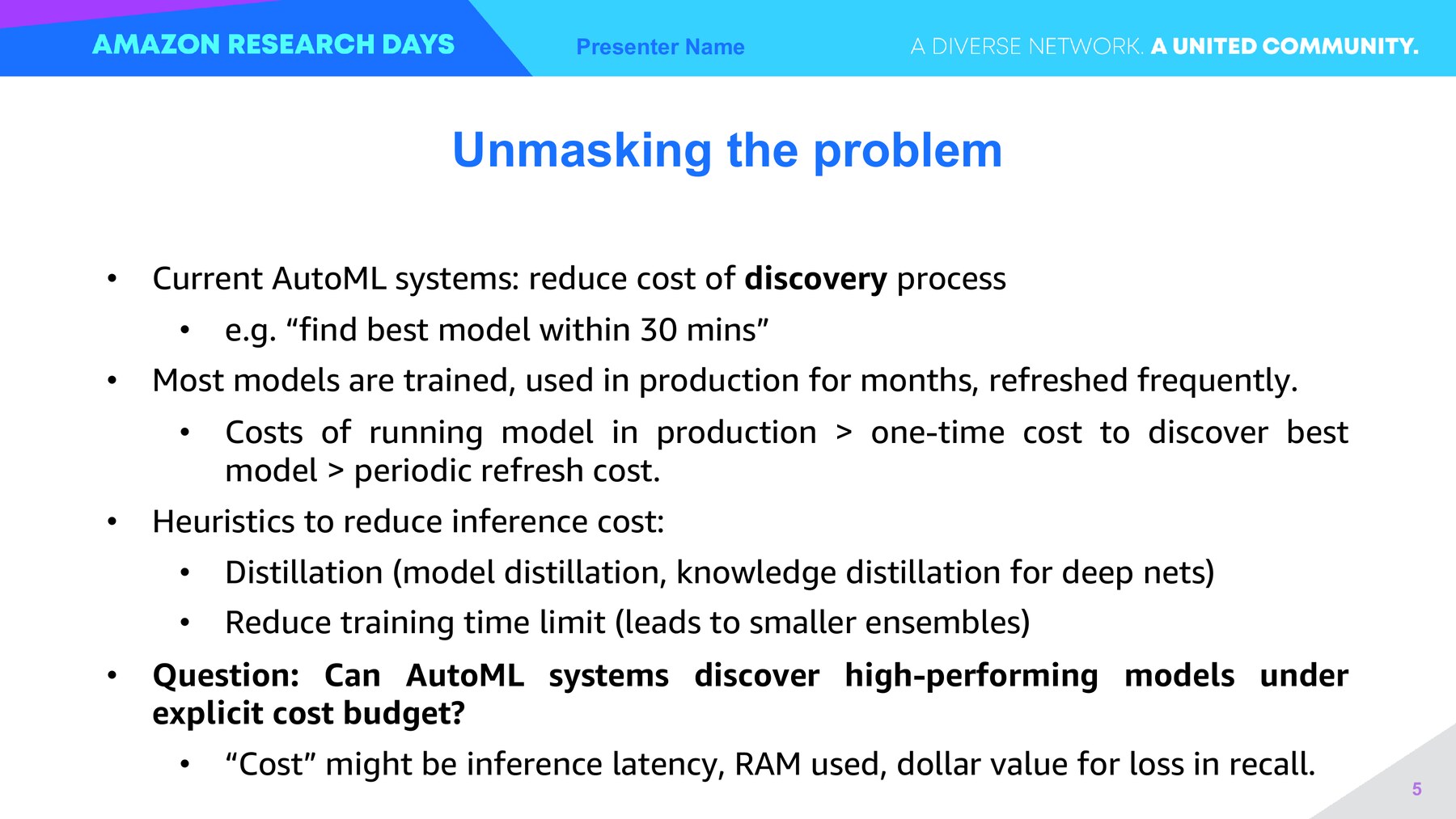
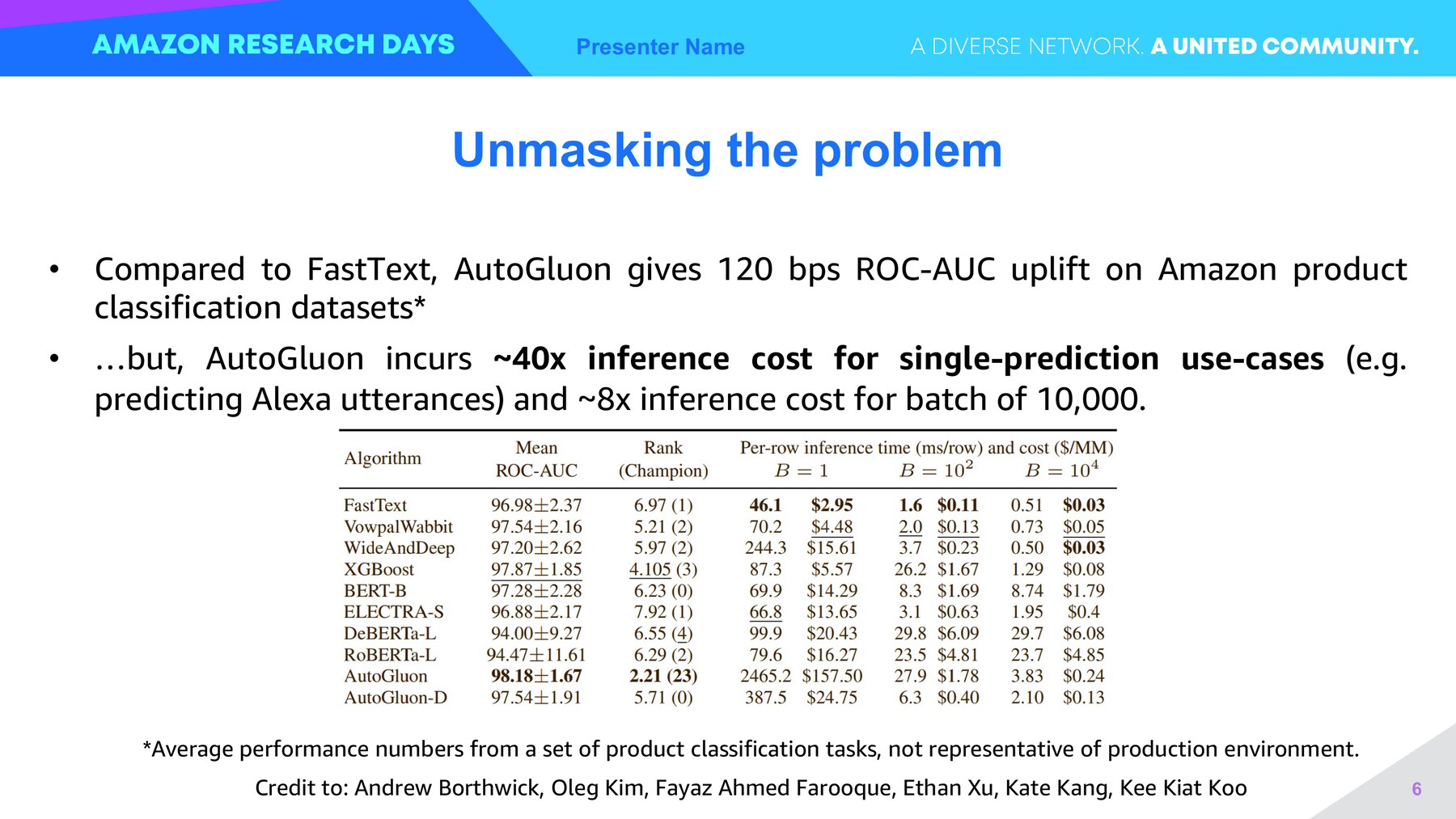
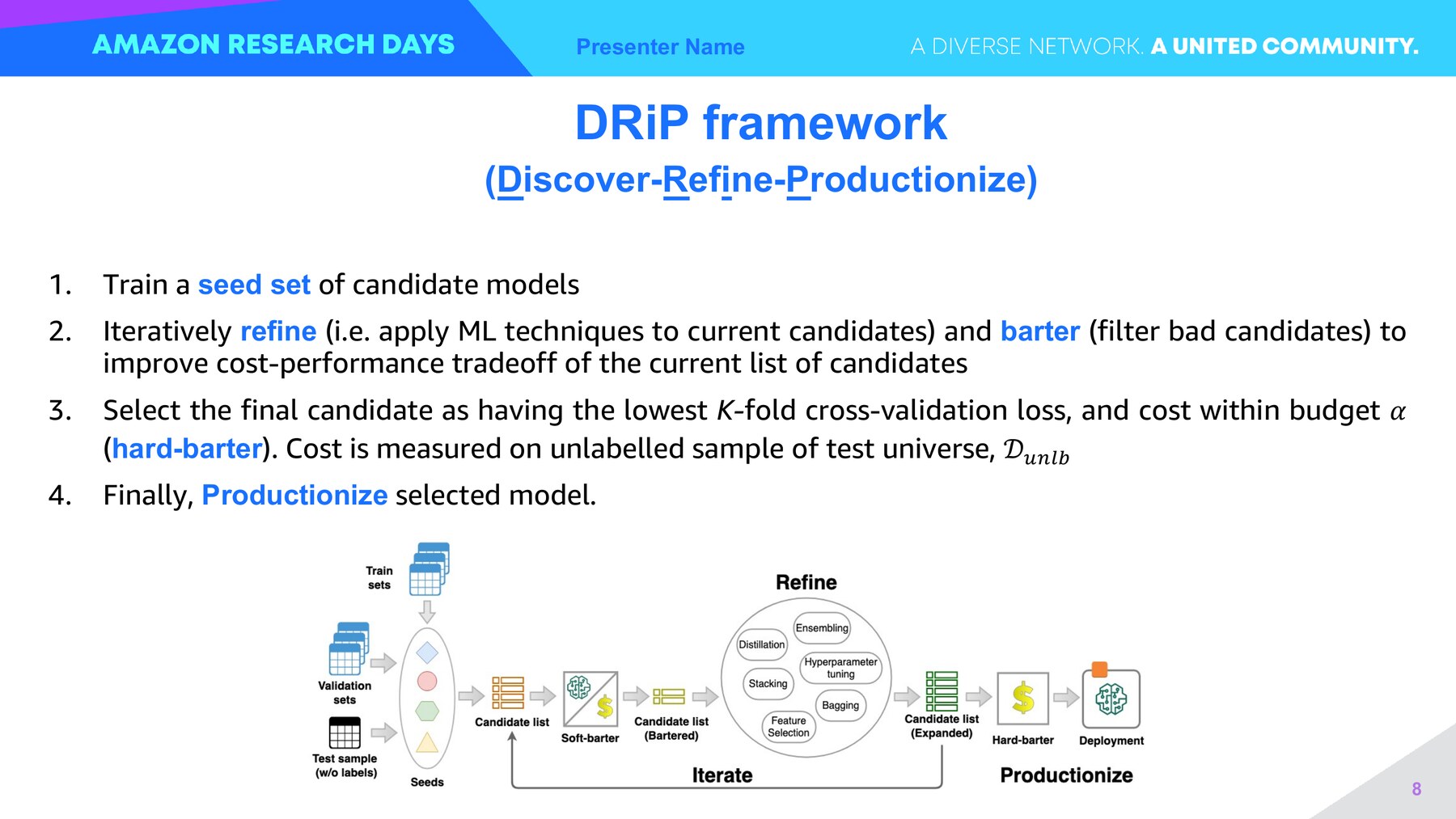
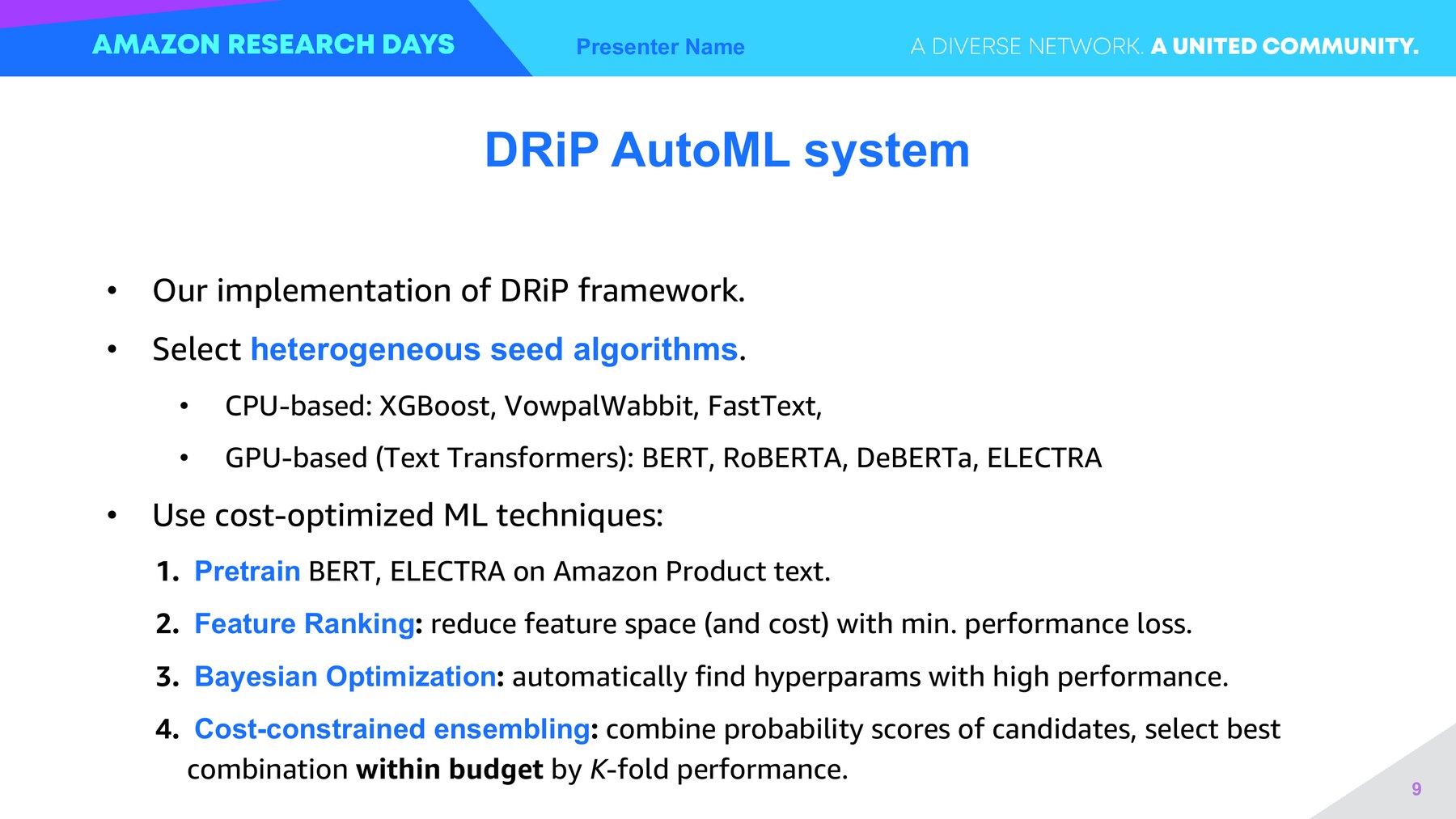
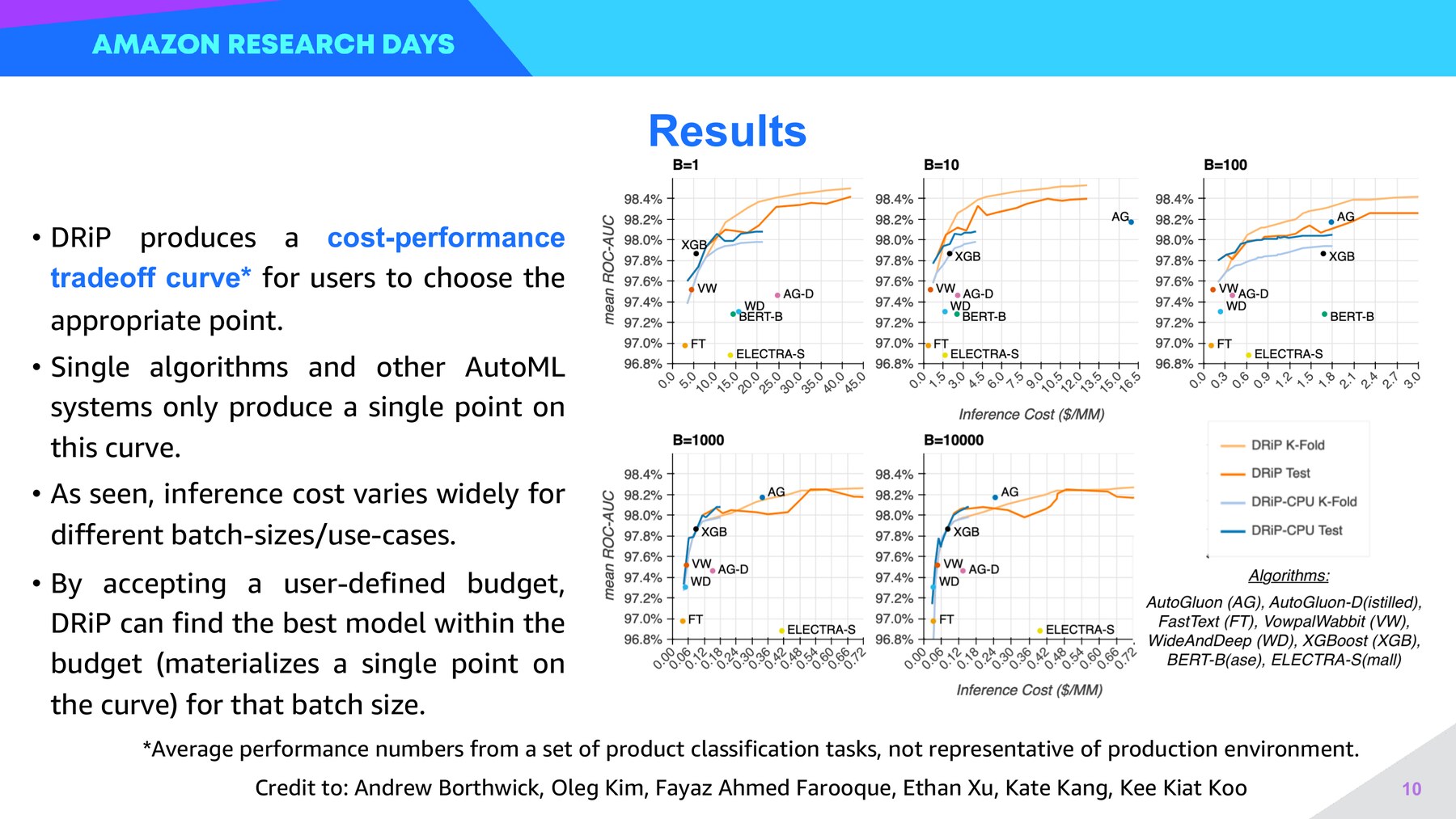
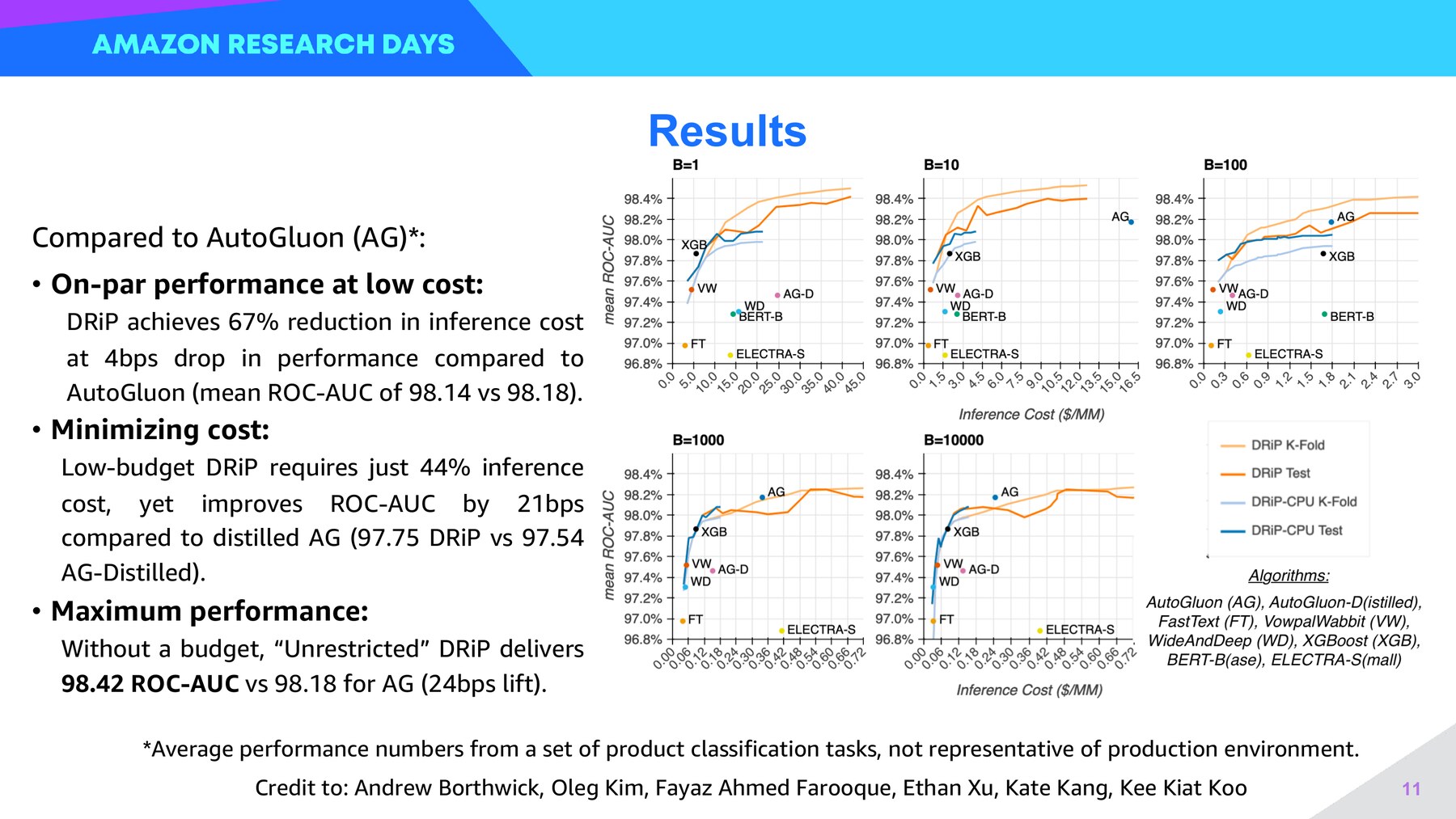
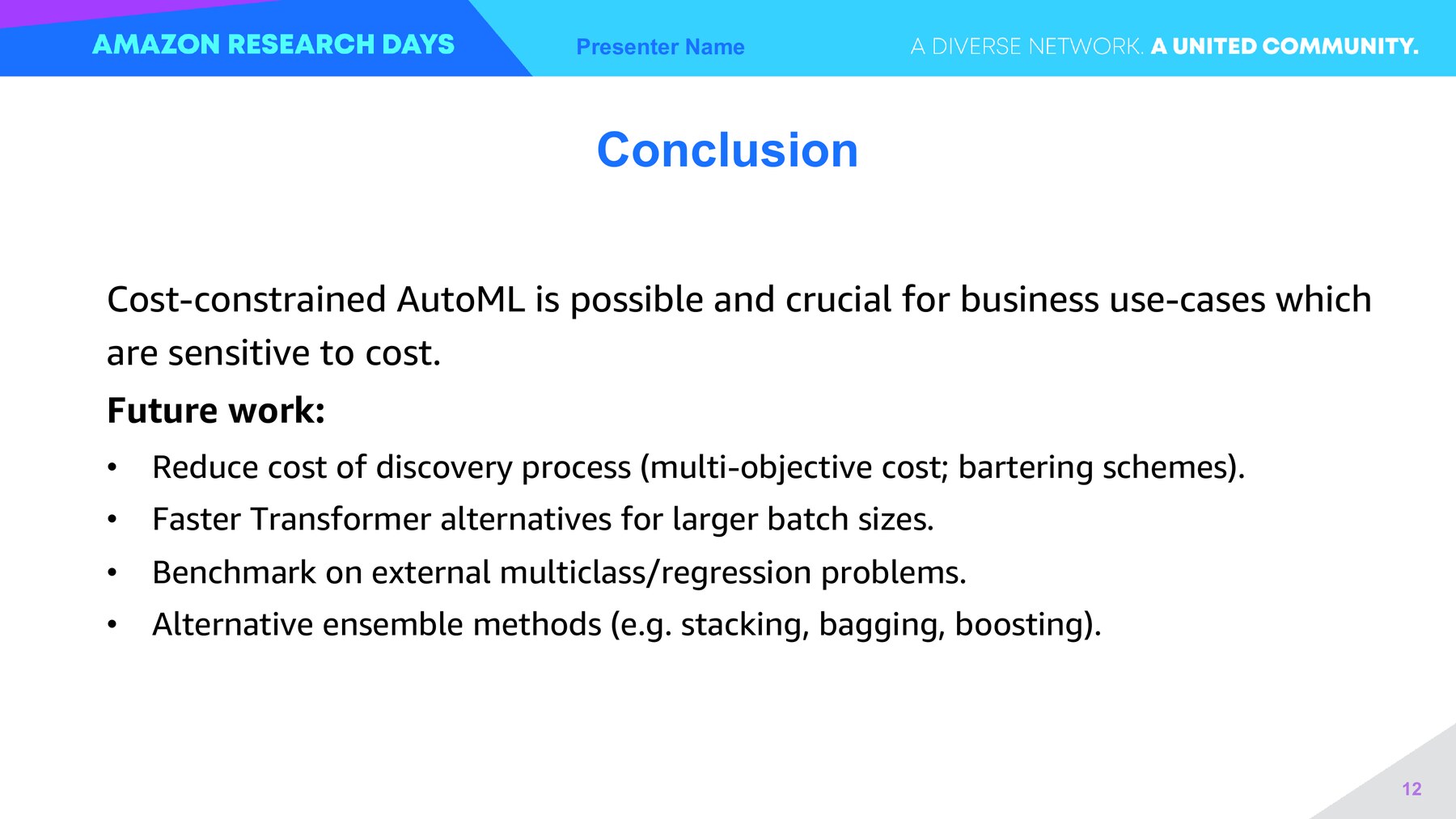

Current AutoML research aims to minimize the Discovery time of high-performing models, e.g. "find best model within 30 mins". However, ideally most models are trained, and used in production for months before refresh, meaning the operational cost of running an AutoML model in production far exceeds the one-time discovery cost. Instead, can AutoML systems discover high-performing models which operate within an explicit budget? We propose a new AutoML paradigm, DRiP (Discover-Refine-Productionize) which not only allows cost-backwards optimization, but produces a cost-performance tradeoff curve for users to choose an appropriate point. We compare to AutoGluon v0.2 and find that DRiP AutoML can be tuned to achieve: (i) On-par performance at low cost (ii) Minimum overall cost (iii) Maximum overall performance.
More talks
- Oral talk · AAAI · Jan 2026 PRECISE: Reducing the Bias of LLM Evaluations using Prediction-Powered Ranking Estimation
-
 Hands-on session · Analytics Vidhya DataHack · Aug 2025 The Promise and Pitfalls of Synthetic Data Generation
-
 Talk · AIMLSys · Oct 2022 Flexible AutoML: Accelerating AutoML adoption across Amazon
-
 Lecture · Amazon ML Summer School · Jun 2022 Supervised Learning (Decision Trees, Bagging and Boosting algorithms)
-
 Interview · Amazon · 2022 Being a Machine Learning Scientist at Amazon India
-
 Talk · Amazon Research Days · Oct 2021 Squeezing the last DRiP: AutoML for Cost-constrained Product Classification